Rafting the Indus from Phey to Nimmu
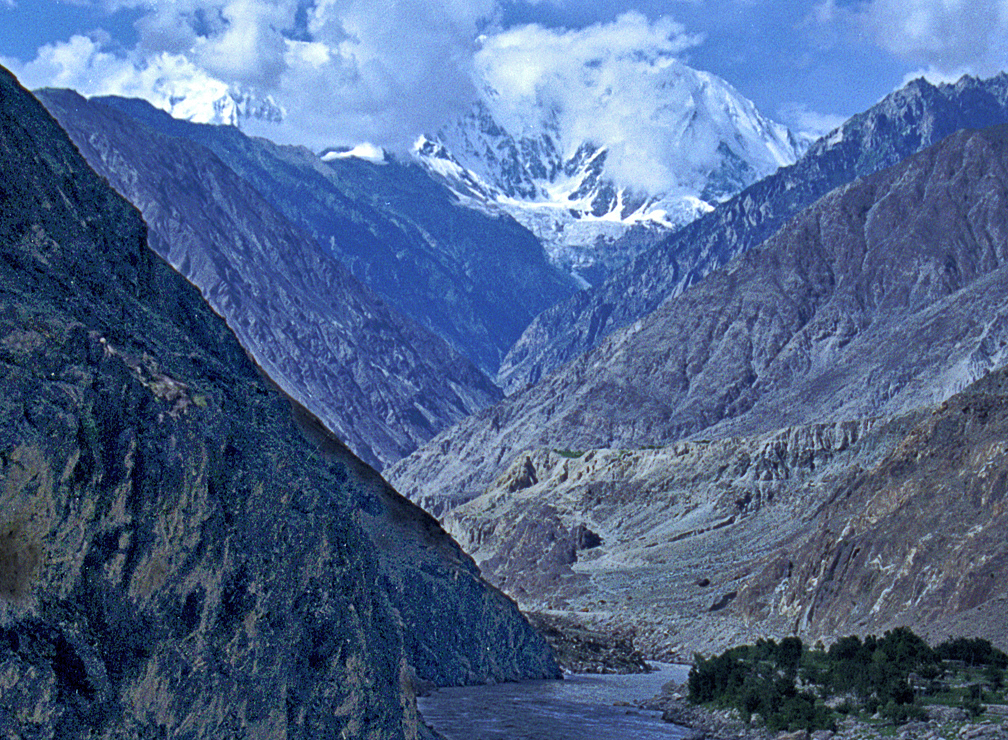
The Phey to Nimmu stretch of the Indus is the easy one, used by most Leh rafting outfits for first-timers. It runs about 25 km through a wide, open valley, with a few rapids that splash rather than threaten. The water is cold even in August, so you wear wetsuits, splash jackets, helmets and life jackets supplied by the operator. Each raft carries a trained guide at the back. Water is cold.
The put-in at Phey is about 30 minutes from Leh. On the river you pass Gurudwara Pathar Sahib, small villages above the banks and long sweeps of bare rock. The highlight is the confluence at Nimmu, where the brown Zanskar meets the blue-green Indus. Your car meets you there with dry clothes, and lunch can be at Nimmu House nearby. The trip takes about two hours on the water. Bring sunglasses.
We choose the operator for safety records and equipment, and we only run the trip when the water level suits it. In early summer snowmelt raises the river, and in very low water late in the season the trip is shortened. Rafting is best on day four or later, when you are acclimatised and the cold water will not add to fatigue. Bring dry clothes and sunscreen. Lunch follows at Nimmu.
Questions travellers ask
Good to know
Is rafting in Leh safe for beginners?
The Phey to Nimmu section is suitable for beginners because the rapids are grade II. Operators give a safety briefing, wetsuits, helmets and life jackets, and each raft has a guide. Risk is never zero on cold water, so we use operators we know and only run the trip in suitable water levels. Non-swimmers can join if comfortable.
What is the minimum age for Indus rafting?
Most operators take children from about ten or twelve years on the Phey to Nimmu stretch, depending on water levels and the child's size. Younger children are usually not allowed. We confirm the rule with the operator when booking, and in high water we may suggest waiting until later in the season.
When is the rafting season in Ladakh?
Rafting normally runs from late June to late August or early September, when the snowmelt has settled and the weather is warm. Exact dates depend on water levels and operator licences each year. Check current status before you travel. Outside these months the river is either too high, too low or too cold.
Also in Leh
More hours to plan around


