Ladakh
Ladakh is India's high-altitude desert between the Himalaya and the Karakoram, with Leh at 3,500 m as its base. Come from May to September for monasteries, the lakes of Pangong and Tso Moriri, Nubra's dunes and Hanle's dark skies, or in winter for snow leopards. Rest 48 hours in Leh on arrival.
- No payment to startPay a deposit only when you book
- Itemised written quoteEvery hotel, car and guide listed
- One plannerFrom first call to last transfer
- Change anythingEvery route is a starting point
Ladakh, in brief


Ladakh lies north of the main Himalayan range, in the rain shadow that keeps it dry and bright for most of the year. Its valleys sit between 2,900 m and 4,500 m, and its road passes climb above 5,300 m. The landscape is bare rock in shades of ochre, grey and purple, broken by green ribbons of barley, willow and poplar wherever a stream allows. The light is intense, and the sky a deep blue.
For a thousand years Ladakh was a crossroads of trade between Kashmir, Tibet and Central Asia, and a stronghold of Tibetan Buddhism. Monasteries such as Hemis, Thiksey, Lamayuru and Alchi still stand above their villages, and their festivals draw crowds in summer and winter. Muslim communities in Leh, Kargil and Turtuk, and the nomadic Changpa of the eastern plateau, add to a culture that is distinct from anywhere else in India.
Travel here is shaped by altitude and distance. Almost everyone flies into Leh and must rest there before going higher. The great sights lie half a day or more away over high passes: Nubra over Khardung La, Pangong over Chang La, Tso Moriri and Hanle along the Indus, Zanskar over Pensi La. Several are protected areas that need permits. A private car, a good driver and a guide who knows the region make all the difference.
We plan Ladakh journeys of five to twelve nights, built around acclimatisation and the best available stays: The Grand Dragon and Chamba Camp Thiksey near Leh, Nimmu House in the lower Indus, Lchang Nang in Nubra, and the best camps and homestays where no hotels exist. Comfort at the remote lakes is simple, and we say so honestly. Every journey is private, with your own car, driver and guide.
Why go
Reasons to go, plainly
Thiksey at dawn, Hemis with its museum and summer festival, the 12th–13th century murals of Alchi and Lamayuru above its moonland. Each sits within a day of Leh, and together they make one of the finest groups of Buddhist monuments in the Himalaya.
Cross Khardung La at 5,359 m and drop into the Nubra valley, with the 32 m Maitreya at Diskit, the dunes and Bactrian camels of Hunder, and the quiet Balti village of Turtuk further west along the Shyok.
Two great lakes of the Changthang: Pangong at 4,225 m, long and blue, running into Tibet; and Tso Moriri at 4,522 m, quieter, with Changpa nomads and breeding birds. One night at each is right for most guests.
India's first dark sky reserve, declared in 2022, surrounds the Indian Astronomical Observatory at Hanle. On moonless nights local astronomy guides set up telescopes, and the Milky Way is bright enough to cast shadows. September and October are the clearest months.
From January to March, snow leopards come down into the valleys of Hemis National Park and around Ulley. With local spotters and patience, sightings are likely on trips of a week or more. Nights are very cold, so a heated base in Leh matters.
Village walks from Likir to Yangthang and Hemis Shukpachan cross low passes, with tea in farmhouses and picnics in orchards. Based at Nimmu House, they are the easiest introduction to walking in Ladakh. No camping is needed, and the car follows you.
The map
Where to go in Ladakh

Ladakh's oldest temple murals, in a village of apricot trees
India's first dark sky reserve, high on the Changthang

Ladakh's richest monastery and the snow leopard's valleys

One of Ladakh's oldest monasteries above the eroded moonland
Ladakh's capital at 3,500 m, and where every journey begins
Sand dunes, Bactrian camels and monasteries beyond Khardung La
A long blue lake at 4,225 m that runs into Tibet
Gentle village walks, Likir and Basgo, west of Leh

A protected high lake at 4,522 m among Changpa nomads

A Balti village of apricots and stone lanes on the Shyok

Ladakh's remotest valley, over Pensi La to Padum
Shape your own journey Tell us your dates and what you hope to feel. We draw the route around you. Begin Not sure where to start? We match the land to your month, your pace and the people travelling with you. Begin Talk to a planner A first route and an indicative price within one working day. No payment to start. BeginJourneys
Routes through Ladakh
Indicative prices per person, twin sharing, at the hotels named. Every route can be changed.
Experiences
Hours worth planning around


Where we book
Stays in Ladakh

The Grand Dragon is Leh's most complete hotel: central, centrally heated and open all year, with mountain-view rooms, several restaurants and a staff used to looking …
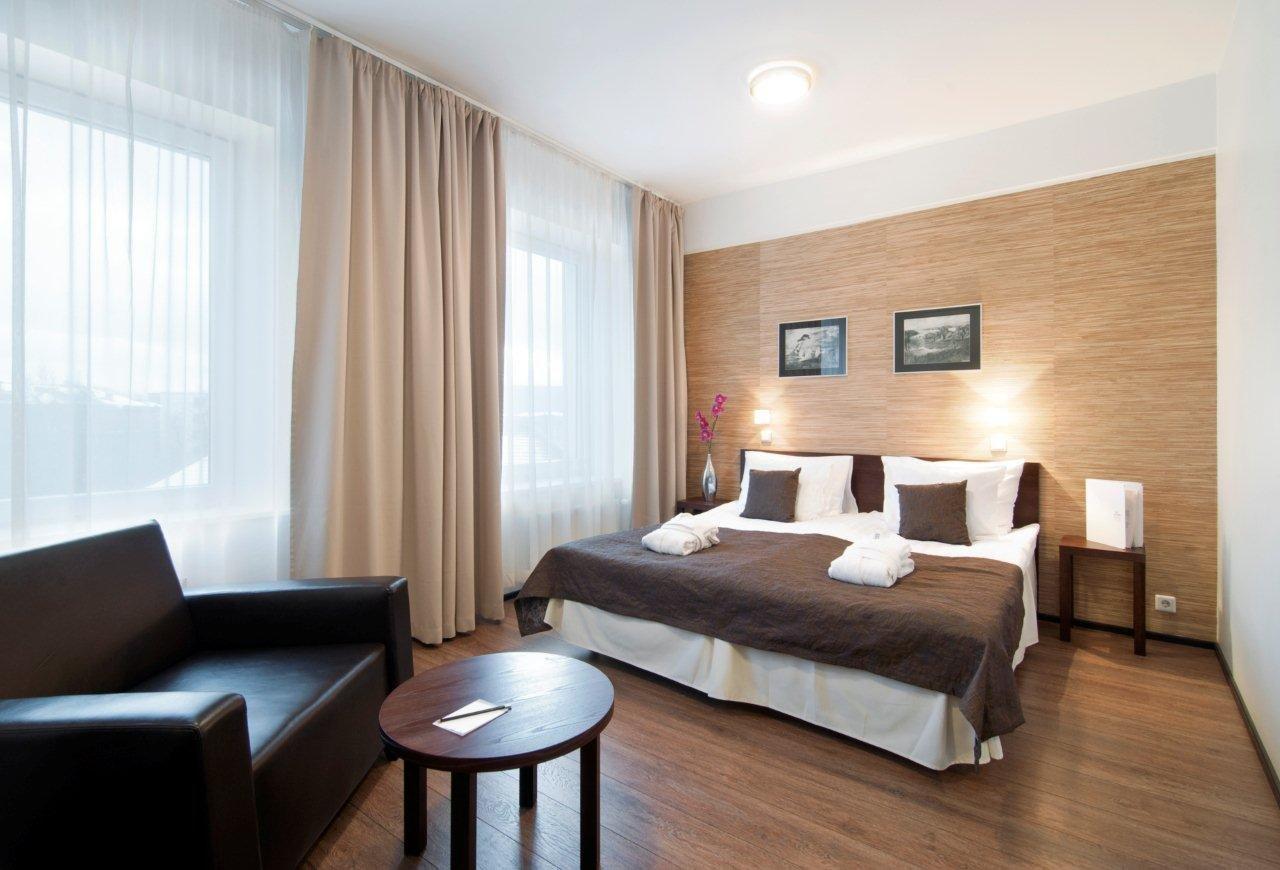
The Zen Ladakh is a modern hotel close to central Leh, with a calm atmosphere and rooms that look towards the mountains. A good choice for …
Chamba Camp Thiksey is a seasonal luxury tented camp in the fields below Thiksey monastery, about 19 km from Leh. Spacious tents with en-suite bathrooms, attentive …

A small number of rooms inside Stok Palace, the home of Ladakh's former royal family, 15 km south of Leh. Simple, characterful rooms, a museum of …
Ladakh Sarai is a small, peaceful retreat in Saboo village, a short drive from Leh, with cottages and yurts set among willows and poplars. A quiet, …

Nimmu House is a restored early 20th-century village house at Nimmu, 35 km west of Leh, with rooms in the house and tents in its orchard. …
Lchang Nang, meaning house of trees, is a small retreat in Sumur village in Nubra, set among willows and fields with views of the surrounding peaks. …
Shape your own journey Tell us your dates and what you hope to feel. We draw the route around you. Begin Not sure where to start? We match the land to your month, your pace and the people travelling with you. Begin Talk to a planner A first route and an indicative price within one working day. No payment to start. BeginMonth by month
Ladakh through the year
Ladakh by travel style
The calendar
Festivals worth the dates
Hemis Tsechu is Ladakh's largest monastery festival, two days of masked cham dances in the courtyard of Hemis monastery to mark the …

Losar is the Ladakhi New Year, celebrated in the eleventh month of the Tibetan calendar, about two months earlier than Tibetan Losar. …

The Ladakh Festival is a week of cultural events in Leh and nearby villages each September, organised by the tourism department. It …

Dosmoche is a winter festival held at the end of the Tibetan year at Leh Palace, Likir and Diskit, with masked dances …

Thiksey Gustor is the annual festival of Thiksey monastery, held in autumn with masked cham dances in the monastery courtyard and the …
Shape your own journey Tell us your dates and what you hope to feel. We draw the route around you. Begin Not sure where to start? We match the land to your month, your pace and the people travelling with you. Begin Talk to a planner A first route and an indicative price within one working day. No payment to start. BeginGetting there
Arriving in Ladakh
Almost every visitor flies into Leh's Kushok Bakula Rimpochee Airport (IXL). Delhi has several daily flights year-round, about 75 minutes, and Mumbai, Srinagar and Jammu have direct services in season, with others added in summer; check current status before you travel. Flights land in the morning because afternoon winds make landings difficult. By road, the Srinagar–Leh highway (≈ 420 km over Zoji La, broken at Kargil) is usually open from April or May to November, and the Manali–Leh road (≈ 425 km via the Atal Tunnel, Baralacha La and Taglang La, with a night at Jispa) from about June to October. Driving in acclimatises you gradually but takes two days. There is no railway in Ladakh.
Permits
Paperwork to know
Indian nationals have needed an Inner Line Permit or online registration with fees for Nubra, Pangong, Tso Moriri, Hanle and Turtuk; the rules were changed in 2021 and have been revised since. Foreign nationals need a Protected Area Permit, issued through a registered travel agent in Leh. Everyone pays an environmental fee and a Red Cross contribution, plus wildlife fees where they apply. Foreigners' access to Hanle and to some routes near the border has varied. We arrange all permits in Leh and carry copies for checkposts. Check current status before you travel.
Guides
Read before Ladakh
Rest for 48 hours in Leh on arrival, drink 3–4 litres a day, avoid alcohol and do not sleep at Pangong, Tso Moriri or …
May to September is Ladakh's main season, with June and September the best months. The Srinagar road usually opens in April or May, the …
Ladakh's monasteries hold festivals with masked cham dances throughout the year. Hemis Tsechu in June or July is the largest; winter brings Spituk Gustor, …
Leh, the Indus monasteries, the Sham valley, Lamayuru and Zanskar need no permit. Nubra, Turtuk, Pangong, Tso Moriri and Hanle do. Foreign nationals need …
Flying to Leh is fastest, about 75 minutes from Delhi year-round, but lands you at 3,500 m with no time to adjust. Driving from …
The best time to see snow leopards in Ladakh is February and March, when the cats follow wild sheep into the lower valleys of …
Ladakh works well for families and older travellers when the plan is gentle: a slow start in Leh, nights no higher than Leh where …
Ladakhi food is simple, warming and built on barley, wheat, butter, vegetables and apricots. Try skyu and chutagi, hand-made pasta stews; khambir bread with …
Three days in Leh should start with complete rest, then build gently: the old town, the palace and Shey on day two; Thiksey at …
At Pangong there are no luxury hotels, only tented camps and cottages. For most guests, the best choice is a well-run camp at Spangmik …
Shape your own journey Tell us your dates and what you hope to feel. We draw the route around you. Begin Not sure where to start? We match the land to your month, your pace and the people travelling with you. Begin Talk to a planner A first route and an indicative price within one working day. No payment to start. BeginQuestions travellers ask
Questions about Ladakh
When is the best time to visit Ladakh?
May to September is the main season, when all roads and hotels are open. June and September are our favourite months, with clear skies and fewer visitors than July and August. January to March suits snow leopard trips and winter festivals for travellers who can handle −20 °C. November is the least suitable month.
How many days do we need in Ladakh?
Seven nights is a good minimum, covering Leh, Nubra and Pangong with proper acclimatisation. Ten to twelve nights allow Tso Moriri, Hanle or Turtuk as well. Zanskar needs at least eleven nights. Shorter trips risk altitude sickness because there is no time to adjust before going higher.
How do we avoid altitude sickness in Ladakh?
Rest for 48 hours in Leh on arrival, doing almost nothing on the first day. Drink 3–4 litres of water a day, avoid alcohol for the first days and do not sleep higher than about 500 m above the previous night too early. Ask your doctor about acetazolamide. Descend if symptoms get worse.
Do we need permits for Ladakh?
Leh and the Indus monasteries need no permit. Nubra, Pangong, Tso Moriri, Hanle and Turtuk are protected areas: foreigners need a Protected Area Permit and Indian nationals have needed an Inner Line Permit or online registration with fees. We arrange everything in Leh. Check current status before you travel.
Is Ladakh safe for tourists?
Yes. Ladakh is one of the safest regions in India for travellers, with low crime and welcoming people. The main risks are altitude, cold and mountain roads. With proper acclimatisation, a good driver and a well-planned route, most travellers have no problems.
Should we fly or drive to Ladakh?
Flying is faster and suits most guests with limited time, but you arrive at 3,500 m with no time to adjust. Driving from Srinagar or Manali takes two days and acclimatises you gradually, with great scenery. We often suggest flying in and driving out, or the reverse.
Are there luxury hotels in Ladakh?
Yes, in and around Leh: The Grand Dragon, The Zen, Chamba Camp Thiksey, Stok Palace and Ladakh Sarai, plus Nimmu House in the lower Indus and Lchang Nang in Nubra. At Pangong, Tso Moriri, Hanle and Zanskar, the best stays are good camps and homestays, comfortable but simple.
Is Ladakh suitable for children and older travellers?
Yes, with care. Healthy children and seniors can enjoy Ladakh if the itinerary is gentle, with longer acclimatisation, shorter drives and nights at lower places like Nubra and the Sham valley. Sleeping at 4,000 m or more needs more caution. Check with your doctor before travel.
How much does a luxury trip to Ladakh cost?
Our private journeys start from about ₹2,10,000 per person for six nights, twin sharing, including the best hotels and camps, a private car, guide and permits. Ten to twelve nights with remote lakes typically cost ₹3,50,000–4,75,000 per person. Winter snow leopard trips with specialist spotters cost more.