Leh
Ladakh's capital at 3,500 m, and where every journey begins

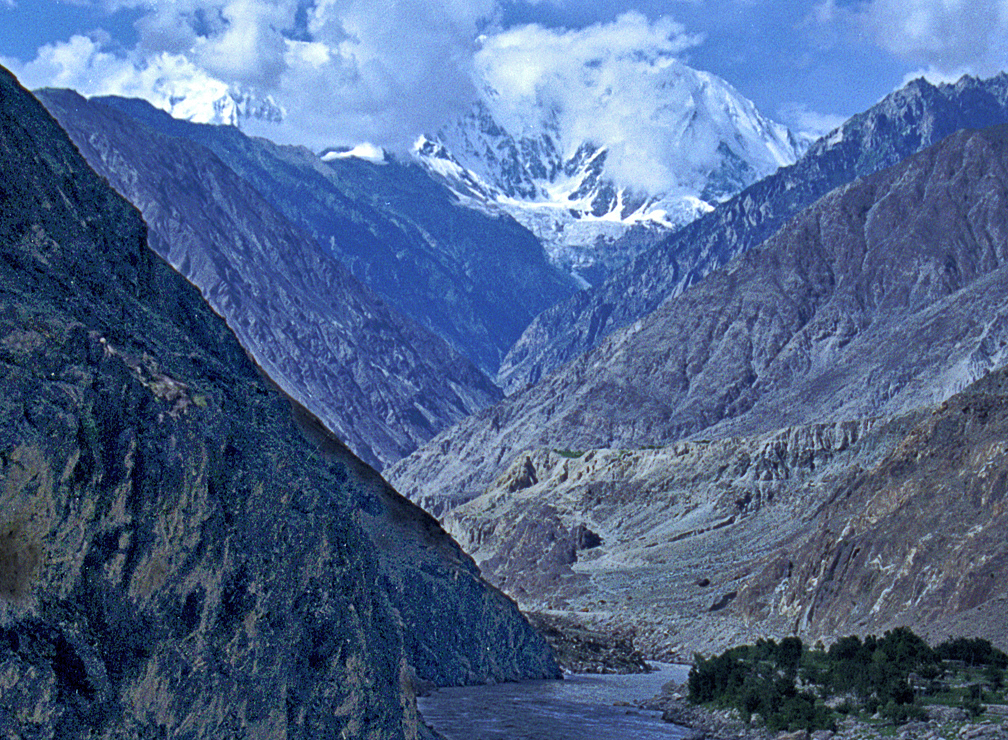
Leh sits at 3,500 m on a gentle slope above the Indus, ringed by bare mountains and watched over by a nine-storey palace built in the 17th century. For four hundred years it was a caravan town, where traders from Yarkand, Kashmir and Tibet swapped pashmina, salt, tea and silk. The bazaar still has that mixed feel: Ladakhi women selling apricots on the pavement, Kashmiri shawl merchants, Tibetan restaurants and a Sunni mosque at the head of Main Bazaar.
Most visitors fly in from Delhi in about 75 minutes, which means arriving at altitude with no time to adjust. That is why we never plan anything on the first day beyond lunch and a walk in the hotel garden. On day two a short, level walk through the old town and a drive to Shey is enough. By day three most travellers are ready for Thiksey at dawn, Hemis and the climb to Shanti Stupa.
Leh is also the practical centre of Ladakh. Permits for Nubra, Pangong, Tso Moriri and Hanle are issued here, the best hotels are here, and almost every road in the region starts here. Plan to return to Leh between longer drives, so the itinerary has a comfortable bed and a hot shower every few days. We plan every route from Leh. Expect at least one return to Leh on most journeys.
Highlights
What Leh does best
The 17th-century palace of Sengge Namgyal rises nine storeys above a warren of mud-brick lanes. Restoration work has brought several old houses back to life, and a slow walk with a local guide takes about two hours, ending on the palace roof with the Stok range across the valley.
Thiksey, 19 km south of Leh, stacks its white buildings up a hillside like a small town. Arrive by 6 am in summer to hear the morning puja, with horns blown from the roof and butter tea passed along the rows of young monks. The two-storey Maitreya statue is upstairs.
The white stupa above Changspa was completed in 1991 by Japanese Buddhist monks. A road reaches the top, or there are about 500 steps for those already acclimatised. Come in the last hour before sunset, when the palace, the old town and the Stok peaks catch the low light.
Stok Palace, 15 km from Leh, is still the home of the former royal family and has a small museum of thangkas, ornaments and the queen's perak headdress. Shey, the older summer capital, has a large seated Buddha. Together they make an easy half day.
Leh is the best place in Ladakh to eat. Try skyu and chutagi, both hand-made pasta stews, apricot jam on Tibetan bread, and butter tea if you are brave. The bakeries in the old town sell kambir, a round local bread, from early morning.
Spituk sits on a rock above the airport runway and is one of the closest monasteries to town, with a protector chapel whose main image is unveiled only during its winter festival. Phyang, 17 km west, is quieter and Drikung Kagyu, with fine old murals and a summer festival.
Experiences
Four hours to plan around




Getting there
How to reach Leh
Kushok Bakula Rimpochee Airport (IXL) is 4 km from town. Delhi has several daily flights year-round, about 75 minutes. Mumbai, Srinagar and Jammu have direct services in season, with others added in summer. Morning flights are the norm because afternoon winds make landings harder. Check current status before you travel.
There is no railway in Ladakh. The nearest stations with useful trains are Jammu Tawi and Chandigarh, both more than 700 km away by road. We do not recommend reaching Leh by rail and road unless the drive itself is the purpose of the trip.
Two highways reach Leh. From Srinagar it is ≈ 420 km over Zoji La, usually broken at Kargil; the road is typically open from April or May to November. From Manali it is ≈ 425 km via the Atal Tunnel and four high passes, usually open from June to October with a night at Jispa. Check current status before you travel.
Where to stay
Rooms we book
We base guests in three areas. Central Leh, within walking distance of the bazaar, suits first visits; The Grand Dragon Ladakh is the most complete hotel here, open year-round with central heating, and The Zen Ladakh is a calmer choice close to the market. Stok, 15 km south, has rooms in the royal family's palace at the Stok Palace Heritage Hotel. Along the Indus, Chamba Camp Thiksey puts luxury tents under Thiksey monastery in summer, and Ladakh Sarai in Saboo village offers cottages and yurts among willows a short drive from town.

The Grand Dragon is Leh's most complete hotel: central, centrally heated and open all year, with mountain-view rooms, several restaurants and a staff used to looking …
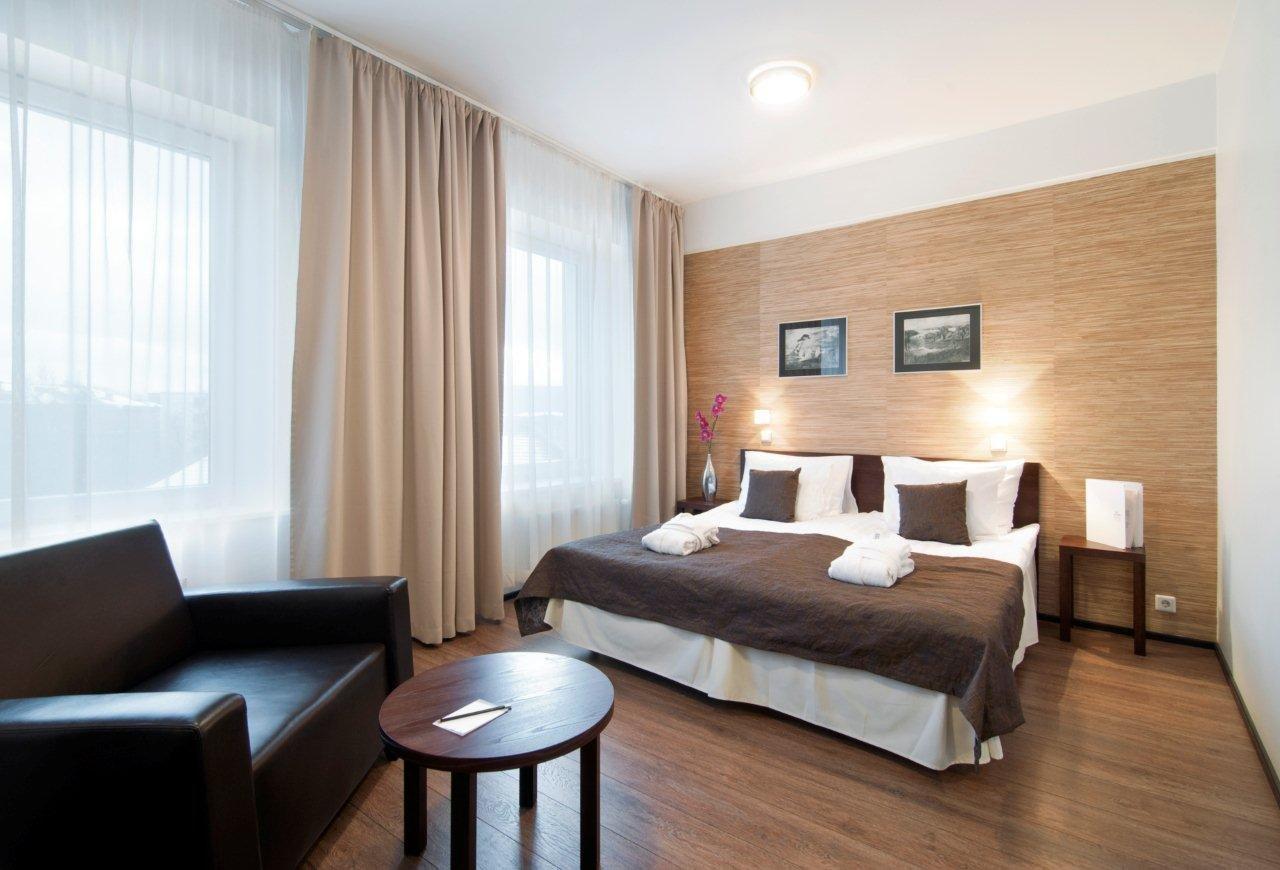
The Zen Ladakh is a modern hotel close to central Leh, with a calm atmosphere and rooms that look towards the mountains. A good choice for …

A small number of rooms inside Stok Palace, the home of Ladakh's former royal family, 15 km south of Leh. Simple, characterful rooms, a museum of …
Chamba Camp Thiksey is a seasonal luxury tented camp in the fields below Thiksey monastery, about 19 km from Leh. Spacious tents with en-suite bathrooms, attentive …
Ladakh Sarai is a small, peaceful retreat in Saboo village, a short drive from Leh, with cottages and yurts set among willows and poplars. A quiet, …
Shape your own journey Tell us your dates and what you hope to feel. We draw the route around you. Begin Not sure where to start? We match the land to your month, your pace and the people travelling with you. Begin Talk to a planner A first route and an indicative price within one working day. No payment to start. BeginFrom our planners
Five things to know
- Rest completely for the first 24 hours and keep the second day gentle; most altitude problems start with a busy first afternoon.
- Drink 3–4 litres of water a day and keep alcohol for the fourth night onwards.
- Carry a light down jacket even in July, because evenings drop to 10 °C or below once the sun goes.
- Visit monasteries early in the morning, when prayers are on and the light is soft.
- Bring cash in small notes; card machines and ATMs in Leh fail more often than in the plains.
Questions travellers ask
Questions about Leh
How many days should we spend in Leh?
Plan three to four nights at the start and, ideally, one at the end. The first two days are for acclimatisation and gentle sightseeing. Days three and four are for Thiksey, Hemis, Stok and the monasteries along the Indus. A last night in Leh before your flight gives a buffer if a road closes on the way back from Nubra or Pangong.
What is the altitude of Leh?
Leh is at about 3,500 m. That is high enough for most visitors to feel breathless and to get mild headaches on the first day, especially after flying straight from Delhi. Most people adjust in 48 hours if they rest, drink plenty and avoid alcohol. Ask your doctor about acetazolamide before you travel.
What should we do on the first day in Leh?
Nothing at all beyond lunch, rest and an easy stroll in the hotel garden. Sleep in the afternoon if you can, drink water and herbal tea, and eat a light dinner. Avoid showers that are very hot and long, alcohol and climbing stairs fast. We start sightseeing gently on day two, with a level walk and a short drive.
Is Leh open in winter?
Yes. Flights from Delhi operate through winter and a few hotels stay open, including The Grand Dragon Ladakh. Temperatures fall to −15 °C or lower at night from December to February, and many restaurants and smaller hotels close. Winter visitors come for snow leopard trips, monastery festivals and empty roads. Check current status before you travel.
Which is the best hotel in Leh?
For most guests we recommend The Grand Dragon Ladakh, which is central, heated and open all year. Couples who want something quieter often prefer The Zen Ladakh or a summer stay at Chamba Camp Thiksey, a tented camp below Thiksey monastery. For heritage, the Stok Palace Heritage Hotel has rooms in the royal family's home.
Do we need permits to visit Leh?
No permit is needed for Leh itself or for the monasteries of the Indus valley such as Thiksey, Hemis, Shey and Alchi. Permits apply to Nubra, Pangong, Tso Moriri, Hanle and other areas near the borders. We arrange them in Leh. Rules have changed several times since 2021, so check current status before you travel.
Is there mobile coverage and internet in Leh?
Postpaid mobile connections from the main Indian networks generally work in Leh, and prepaid SIMs from outside the region often do not. Hotels have Wi-Fi, but speeds vary and outages happen. Coverage becomes patchy or absent in Pangong, Tso Moriri and Hanle. Tell family to expect gaps of a day or two.
Can we walk around Leh in the evening?
Yes. Main Bazaar is pedestrianised and lively until about 9 pm in summer, with cafes, bookshops and shawl stores. Leh is generally safe to walk around. It gets cold quickly after sunset and some lanes are unlit, so carry a torch and a warm layer. Stray dogs can be noisy at night.
What is the best time of year to visit Leh?
May to September is the main season, with days of 20–25 °C and all roads open. June and September are our favourites, with fewer visitors than July and August. January to March suits travellers who want winter festivals or snow leopards and are happy with −15 °C nights. November is the quietest month and least suitable.
Journeys
Routes that stop in Leh
Nearby
Pair it with

Ladakh's richest monastery and the snow leopard's valleys

Gentle village walks, Likir and Basgo, west of Leh

Sand dunes, Bactrian camels and monasteries beyond Khardung La

Ladakh's oldest temple murals, in a village of apricot trees
Shape your own journey Tell us your dates and what you hope to feel. We draw the route around you. Begin Not sure where to start? We match the land to your month, your pace and the people travelling with you. Begin Talk to a planner A first route and an indicative price within one working day. No payment to start. Begin