Rajasthan
Rajasthan is India's largest state and its richest in palaces: Jaipur, Udaipur and Jodhpur for royal hotels, Ranthambore for tigers, Jawai for leopards and Jaisalmer for the Thar desert. Go from October to March, allow 10–14 nights for a full circuit, and travel by private car with a guide.
- No payment to startPay a deposit only when you book
- Itemised written quoteEvery hotel, car and guide listed
- One plannerFrom first call to last transfer
- Change anythingEvery route is a starting point
Rajasthan, in brief


Rajasthan covers about 342,000 square kilometres of north-west India, from the Thar desert on the Pakistan border to the green Aravalli hills in the south. For six centuries it was divided among Rajput kingdoms, each with its own capital, fort and court. That history is why the state has more palaces and forts than anywhere else in India, and why so many of them are now hotels you can sleep in.
We plan Rajasthan around four ideas: palaces, wildlife, the desert and crafts. Jaipur, Udaipur and Jodhpur give you the great palace hotels and the forts above them. Ranthambore and Jawai give you tigers and leopards. Jaisalmer and Bikaner open the Thar. And between them, villages such as Bagru, Salawas and the painted towns of Shekhawati keep alive the block printing, weaving and fresco work that made the region famous.
Distances are real. Jaipur to Udaipur is about 395 km, and Jodhpur to Jaisalmer about 285 km, so a sensible route spends two or three nights in each place and uses a short flight or a train where it saves a day. Our journeys are private from arrival to departure: one car, one experienced driver, local guides in each city and rooms we have stayed in ourselves.
The season runs from October to March, when days in Jaipur sit around 20–30 °C and nights are cool. April to June is hot, often above 40 °C, though Ranthambore's tiger sightings are at their best then. The monsoon, from July to September, turns the south green and fills Udaipur's lakes, and suits repeat visitors who want quiet palaces and lower rates.
Why go
Reasons to go, plainly
Rambagh Palace in Jaipur, Umaid Bhawan in Jodhpur and the Taj Lake Palace on Lake Pichola are working royal buildings, not themed hotels. Two or three of them in one journey is the reason many travellers choose Rajasthan over anywhere else in India.
Ranthambore National Park, three and a half hours from Jaipur, is one of the best places in India to see a wild tiger, with forest, lakes and a 10th-century fort inside the reserve. Three nights and four or five drives give you a fair chance.
Between Jodhpur and Udaipur, leopards live on granite hills among Rabari herders and village temples. There are no park gates, and drives with a small camp's naturalists often produce long, unhurried sightings at dawn and dusk.
Amber, Jaisalmer, Chittorgarh and Kumbhalgarh form part of the Hill Forts of Rajasthan World Heritage listing, with Ranthambore and Gagron. Mehrangarh, above Jodhpur, is not on the list but is the finest fort museum in India. Visit at opening time, before the heat and the crowds.
From Jaisalmer, drive into the dunes west of the city for dinner under the stars, music by Manganiyar musicians and a night at a desert camp or at Suryagarh. December to February brings cold, clear nights around 6–10 °C.
Hand block printing in Bagru and Sanganer, durrie weaving in Salawas, blue pottery in Jaipur, miniature painting in Udaipur and the painted havelis of Shekhawati. We arrange time with the families who still do the work, not showrooms.
The map
Where to go in Rajasthan
- 1Bikaner
- 2Bundi
- 3Chittorgarh
- 4Deogarh
- 5Jaipur
- 6Jaisalmer
- 7Jawai
- 8Jodhpur
- 9Kumbhalgarh
- 10Pushkar
- 11Ranthambore
- 12Samode
- 13Shekhawati (Mandawa)
- 14Udaipur

A desert city of red forts, havelis and bhujia

Stepwells, murals and a palace on the hillside

The great fort of Mewar and its stories of siege
A hilltop palace, a mountain railway and rural Mewar
The pink city of forts, bazaars and royal hotels
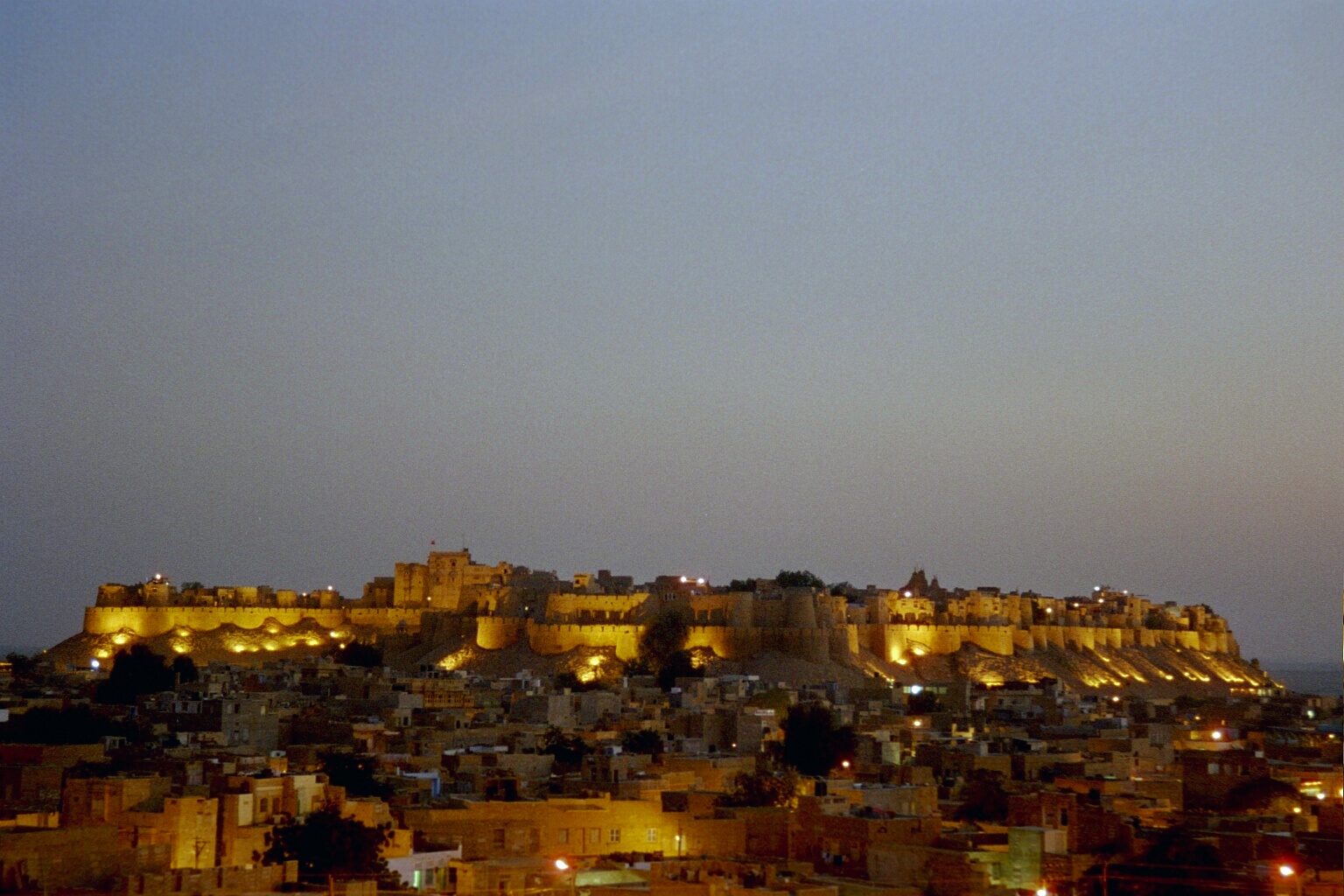
A living golden fort at the edge of the Thar
Leopards on granite hills among herders and temples
The blue city below Mehrangarh Fort

A mountain fort, its great wall and the Ranakpur temple

A holy lake town of ghats, temples and roses
Tigers among lakes, ruins and a thousand-year-old fort

A painted palace in the hills an hour from Jaipur

Painted merchant towns of the northern desert
Lakes, palaces and the slowest days in Rajasthan
Shape your own journey Tell us your dates and what you hope to feel. We draw the route around you. Begin Not sure where to start? We match the land to your month, your pace and the people travelling with you. Begin Talk to a planner A first route and an indicative price within one working day. No payment to start. BeginJourneys
Routes through Rajasthan
Indicative prices per person, twin sharing, at the hotels named. Every route can be changed.
Experiences
Hours worth planning around



Where we book
Stays in Rajasthan

The former home of the Maharajas of Jaipur, run by Taj, set in large Mughal-style gardens about 15 minutes from the old city. It is the …

A low-rise resort on the eastern edge of Jaipur, built as a Rajasthani fort-village with courtyards, pools, luxury tents and private villas. Quieter and more private …
A family-owned palace hotel in a village in the Aravalli hills, about 42 km northwest of Jaipur. Its painted Durbar Hall and mirrored Sheesh Mahal are …

An 18th-century white marble palace that covers its own island in Lake Pichola, reached only by boat. Built as a royal summer retreat and run by …

A palace-style resort on the eastern shore of Lake Pichola, with domed pavilions, courtyards, gardens and rooms opening onto shared or semi-private pools. It faces the …
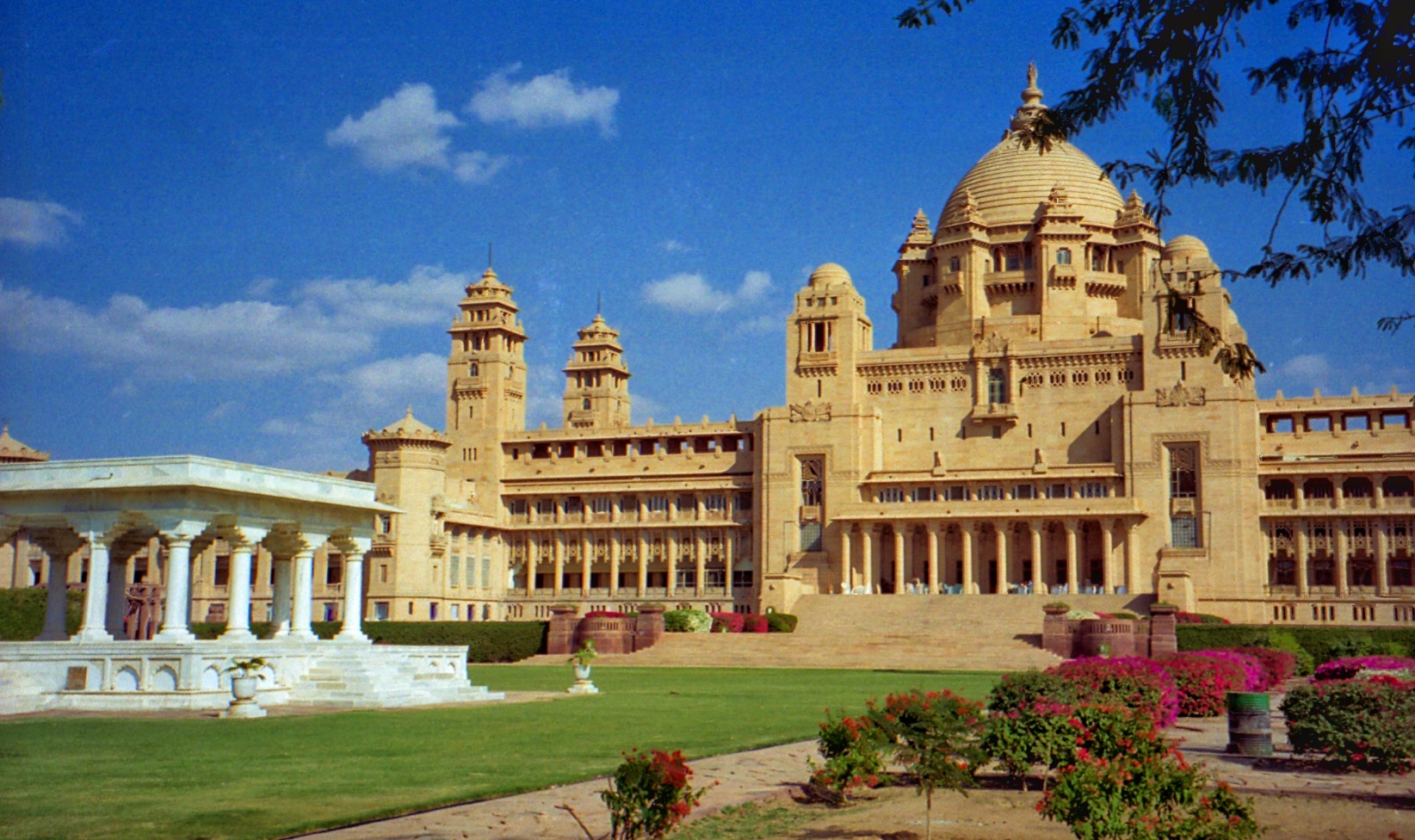
A golden sandstone Art Deco palace on Chittar Hill above Jodhpur, completed in 1943 and still home to the royal family of Marwar in one wing. …
A boutique hotel inside the walled old city of Jodhpur, built around a restored 18th-century haveli directly below Mehrangarh Fort. Clean contemporary rooms, a courtyard pool …
A luxury tented camp among the granite hills of Jawai in southern Rajasthan, built for leopard safaris on open land shared with Rabari herders. Stays are …
A palace-style hotel built in golden Jaisalmer stone on the road to the Sam dunes, about 15 km west of the city. It is the most …
A luxury tented resort on the edge of Ranthambore National Park, with large canvas tents set in landscaped gardens, a spa and naturalist-led safaris. It is …
Shape your own journey Tell us your dates and what you hope to feel. We draw the route around you. Begin Not sure where to start? We match the land to your month, your pace and the people travelling with you. Begin Talk to a planner A first route and an indicative price within one working day. No payment to start. BeginMonth by month
Rajasthan through the year
Rajasthan by travel style
The calendar
Festivals worth the dates

A livestock fair and Hindu pilgrimage that fills the dunes west of Pushkar with camels, horses and herders in the days before …

A three-day festival of folk music, camel events and desert sport held in Jaisalmer each winter, ending with an evening on the …

Rajasthan's most important festival for women, honouring the goddess Gauri. For 18 days after Holi, women pray for marital happiness, and in …
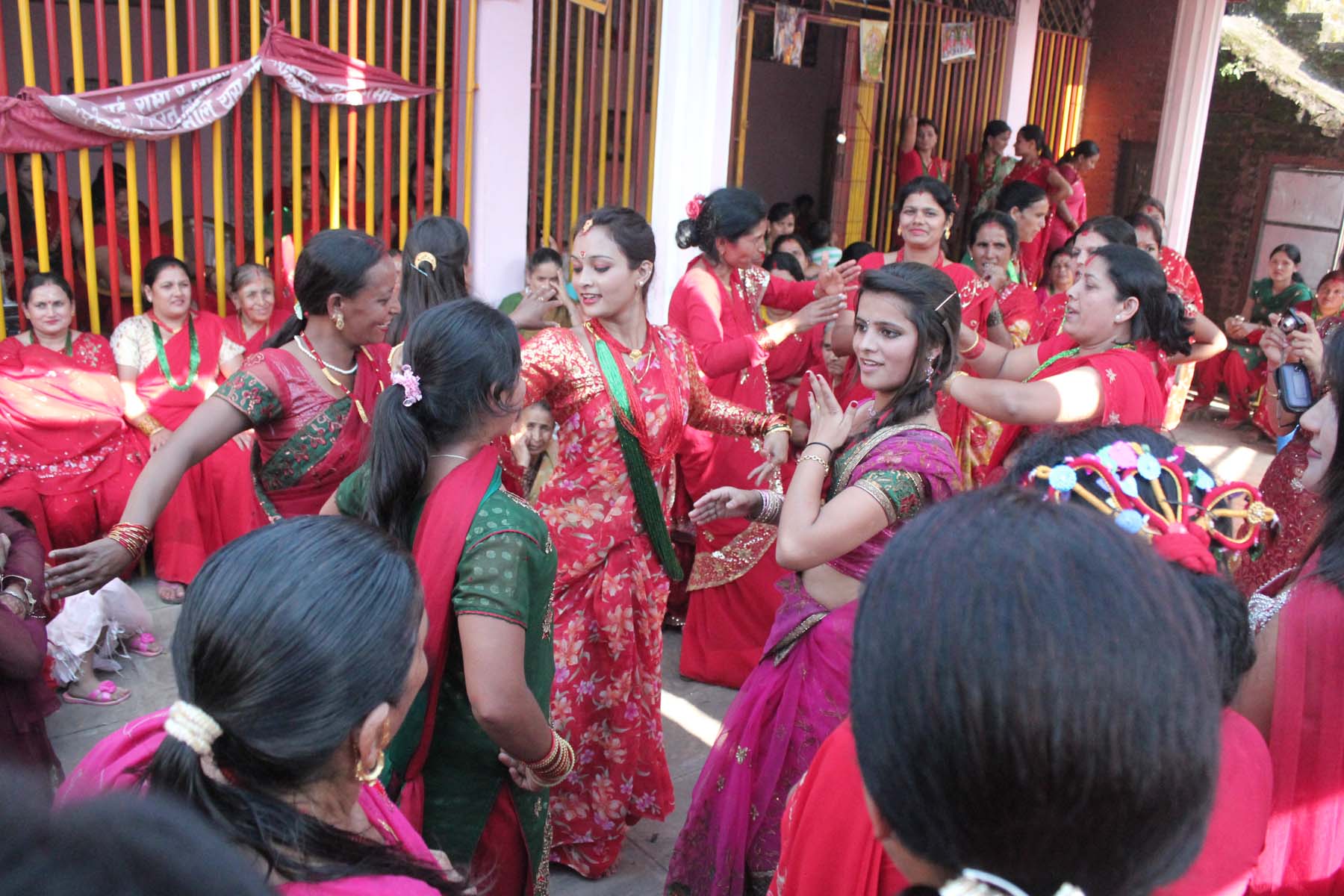
A monsoon festival in which women welcome the rains and honour the goddess Parvati, marked in Jaipur by a two-day royal procession …

One of the largest literary festivals in the world, held over about five days each January in Jaipur, with writers, historians and …

A two-day festival of Marwari folk music and dance held in Jodhpur around the full moon of Ashwin, usually in October. Originally …
Shape your own journey Tell us your dates and what you hope to feel. We draw the route around you. Begin Not sure where to start? We match the land to your month, your pace and the people travelling with you. Begin Talk to a planner A first route and an indicative price within one working day. No payment to start. BeginGetting there
Arriving in Rajasthan
Jaipur International Airport (JAI) is the main gateway, with direct flights from Delhi, Mumbai, Bengaluru and other Indian cities, and a small number of international routes, mainly to the Gulf. Udaipur (UDR) and Jodhpur (JDH) have daily flights from Delhi and Mumbai. Jaisalmer and Bikaner have limited or seasonal flights; check current status before you travel. Most international travellers arrive in Delhi, then fly to Jaipur in an hour or drive the 280 km in about 5 hours on the Delhi–Jaipur expressway sections. Fast trains also link Delhi with Jaipur in around 4.5 hours. Within Rajasthan we use a private car with a driver for most sectors, with a flight between Jaipur and Udaipur where it saves a long day.
Permits
Paperwork to know
No special permit is needed to visit Rajasthan for Indian or foreign travellers holding a valid Indian visa. Tiger safaris in Ranthambore need a permit issued by the Rajasthan forest department for a specific zone and time, booked online and tied to each passenger's ID; we apply as soon as dates are fixed. Areas close to the Pakistan border beyond Jaisalmer, such as Longewala and Tanot, have rules for foreign nationals that change. Check current status before you travel.
Guides
Read before Rajasthan
Three days is the right amount of time for Jaipur. Day one: Amber Fort at opening and the bazaars at dusk. Day two: Jantar …
Choose Ranthambore for tigers in a national park with lakes and ruins, and Jawai for leopards on open granite hills among villages. Ranthambore is …
The best time to visit Rajasthan is October to March, when days are 20–30 °C and nights cool. November and February are the sweet …
Rajasthan is one of the great craft regions of the world. See hand block printing in Bagru and Sanganer near Jaipur, bandhani tie-dye in …
The best luxury desert stays in Rajasthan are around Jaisalmer, where a few camps and Suryagarh offer real comfort in the Thar. Choose a …
Rajasthan's main festivals run from January to November: the Jaipur Literature Festival and kite flying in January, the Jaisalmer Desert Festival in February, Holi …
For a first visit, 12 days (11 nights) in Rajasthan covers Jaipur, Ranthambore, Udaipur and Jodhpur at a calm pace: three nights in Jaipur, …
Rajasthan's three great palace hotels are Rambagh Palace in Jaipur, Umaid Bhawan Palace in Jodhpur and the Taj Lake Palace in Udaipur, all run …
Rajasthani food was shaped by the desert: dried beans and berries, millet breads, ghee, yoghurt and slow-cooked meats for the royal kitchens. Try dal …
Ranthambore safaris run twice a day in 10 zones, in six-seat jeeps or 20-seat canters, with permits sold by the Rajasthan forest department by …
Shape your own journey Tell us your dates and what you hope to feel. We draw the route around you. Begin Not sure where to start? We match the land to your month, your pace and the people travelling with you. Begin Talk to a planner A first route and an indicative price within one working day. No payment to start. BeginQuestions travellers ask
Questions about Rajasthan
What is the best time to visit Rajasthan
October to March. Days in Jaipur are around 20–30 °C, nights are cool and the skies clear. November to February is the peak, with the Pushkar Fair in November and the Desert Festival in February. April to June is hot, above 40 °C, but best for Ranthambore tigers. July to September brings the monsoon, green hills and lower rates.
How many days do you need in Rajasthan
Ten to fourteen nights covers the main circuit at a comfortable pace: Jaipur, Ranthambore or Jawai, Jodhpur, Udaipur and, with two more nights, Jaisalmer. Seven nights works for Jaipur, Ranthambore and Udaipur with one flight. Three nights per main city is right; one night stops feel rushed given the driving distances.
Is Rajasthan safe for tourists
Rajasthan is one of India's most visited states and generally safe for travellers, including women and families. The common problems are touts at forts, overcharging in markets and road safety at night. With a private car, an experienced driver and local guides, most of those concerns fall away. We avoid night driving on highways.
Which is better, Udaipur or Jaipur
They are different. Jaipur is a large, busy capital with Amber Fort, the City Palace, Hawa Mahal and the best shopping. Udaipur is smaller and calmer, built around lakes, with the most romantic hotels in India. First-time visitors should see both: three nights in Jaipur for the sights, three in Udaipur to slow down.
How much does a luxury Rajasthan tour cost
Our private journeys at palace hotels start around ₹3,00,000 per person for 7 nights and ₹4,50,000–7,00,000 for 11 nights, twin sharing, with a private car, driver and guides. Prices rise over Christmas, New Year and Diwali, and with suites at the Taj Lake Palace, Rambagh or Umaid Bhawan.
Do I need a permit to visit Rajasthan
No general permit is needed. You need a valid Indian visa if you are a foreign national, and a park permit for safaris in Ranthambore, booked through the Rajasthan forest department. Border areas beyond Jaisalmer have separate rules for foreigners. Check current status before you travel.
Should I fly or drive between cities in Rajasthan
Drive most sectors: the distances are 150–350 km, the roads are good, and the villages and stops on the way are part of the journey. Fly between Jaipur and Udaipur, which saves a 6.5-hour drive, and consider a train between Jodhpur and Jaisalmer. A private car with a driver is the core of every trip we plan.
Can you see tigers and leopards on the same Rajasthan trip
Yes, but Ranthambore and Jawai are about 450 km apart. The usual pattern is Jaipur and Ranthambore for tigers in the east, then a flight to Udaipur and a drive to Jawai for leopards in the south-west. This works on a journey of 11 nights or more.
What should I wear in Rajasthan
Light cotton and linen that covers shoulders and knees, with a scarf for temples and mosques. Bring a warm jacket from December to February for early safaris and desert nights. Comfortable flat shoes matter: forts involve long ramps and uneven stone. Sun hat and sunglasses year round.