Shekhawati (Mandawa)
Painted merchant towns of the northern desert

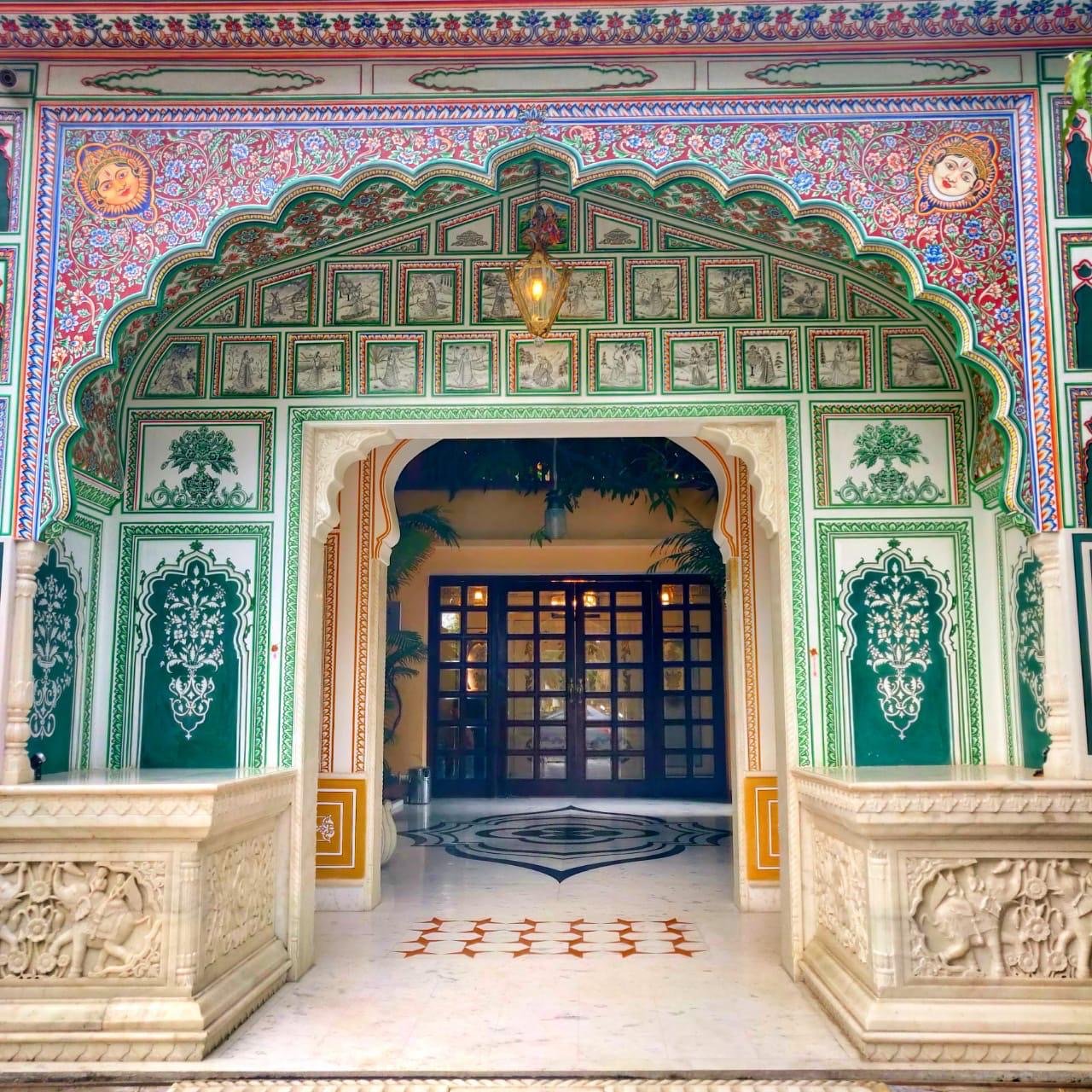
Shekhawati takes its name from Rao Shekha, a 15th-century Rajput chief, but its fame comes from its merchants. From the 18th century, Marwari trading families from towns such as Mandawa, Nawalgarh, Fatehpur and Ramgarh made fortunes on caravan routes and later in Calcutta, Bombay and beyond. They sent money home to build havelis, temples, wells and cenotaphs, and they had them painted inside and out.
The frescoes show gods and epics, Rajput battles and hunting scenes, and later, as the merchants travelled, trains, cars, aeroplanes, gramophones and Europeans in top hats. Thousands of painted buildings survive across the region. Many families moved away in the 20th century, and some havelis are locked or crumbling, but restoration has grown, and several now open as museums or hotels.
We plan Shekhawati as two nights between Jaipur and Bikaner, or as a short loop from Jaipur with a night at Samode. The towns are 10–30 km apart, and the best way to see them is slowly, with a guide who knows which caretakers hold the keys. Winter mornings are cool and clear, and the light in the late afternoon is best for the paintings.
Highlights
What Shekhawati (Mandawa) does best
Mandawa has many of the region's best-known havelis within a short walk of its small fort, with facades painted with gods, trains and soldiers. Early mornings are quiet and the light flatters the colours.
A haveli of the early 20th century restored as a museum, with its frescoes cleaned and galleries on Rajasthani costumes and crafts. The best introduction to how a Shekhawati house worked.
A French artist bought and restored this 19th-century haveli in Fatehpur from the late 1990s. Its frescoes, courtyards and gallery show what careful restoration can do.
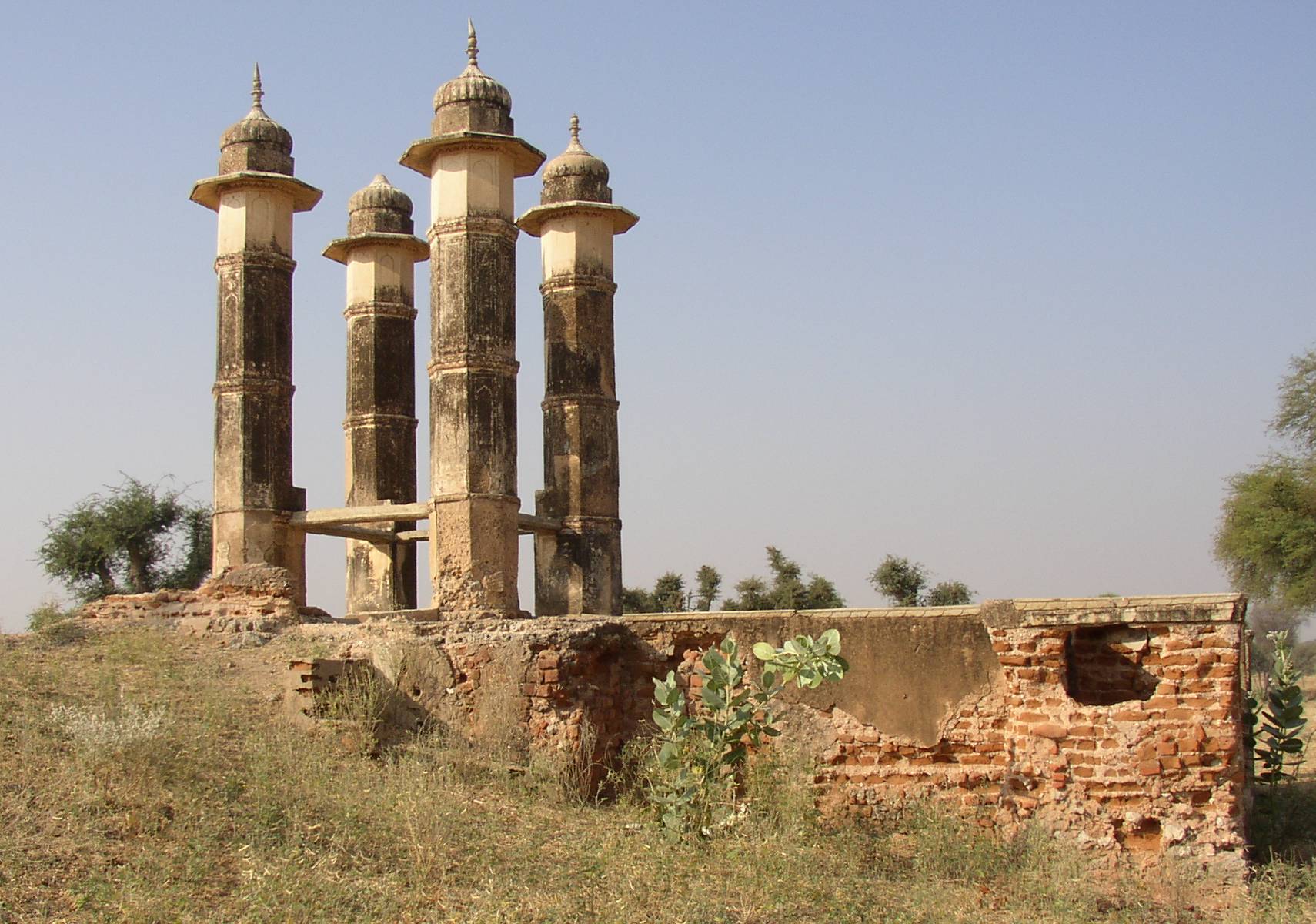
Ramgarh Shekhawati holds a group of chhatris, or cenotaphs, built by the Poddar merchant family, with domes and ceilings painted with the Ramayana and the Krishna stories.
Between the towns, large stepwells and wells built by merchants once served travellers and villages. A drive through the countryside shows the farms, sand and camel carts of northern Rajasthan.
Experiences
Four hours to plan around




Getting there
How to reach Shekhawati (Mandawa)
Jaipur International Airport (JAI) is about 180 km from Mandawa, around 3.5–4 hours by car. Delhi airport is about 260 km, 5–6 hours, which makes Shekhawati a good first stop for guests starting in Delhi.
Trains run from Jaipur and Delhi to Jhunjhunu and Nawalgarh, and some services stop at Mandawa Road. Timetables are limited, so most guests arrive by car. Check current status before you travel.
Jaipur is about 170 km, 3.5 hours, via Sikar. Bikaner is about 190 km, 3.5 hours. Samode is about 130 km, 2.5 hours, and Delhi about 260 km, 5–6 hours.
Where to stay
Rooms we book
Shekhawati has no grand luxury hotels, but several restored heritage properties give a comfortable, characterful stay. Castle Mandawa, in the town's fort, and Alsisar Mahal, in the nearby village of Alsisar, are well-known heritage hotels. Malji ka Kamra in Churu, a restored merchant mansion, is a smaller boutique option. For guests who want more comfort, we often base at Samode Palace and visit the towns in a long day, or stay one night in Shekhawati with a specialist guide.
From our planners
Five things to know
- Hire a specialist guide; many havelis are locked and only local guides know the caretakers
- Carry small notes for caretakers, who expect a modest fee for opening doors
- Do not touch the paintings, and avoid flash photography inside
- Plan two towns a day at most; the frescoes reward slow looking
- Early mornings and late afternoons give the best light on the facades
Questions travellers ask
Questions about Shekhawati (Mandawa)
What is Shekhawati known for
Its painted havelis. Between the 18th and early 20th centuries, Marwari merchant families built and decorated thousands of homes, temples, wells and cenotaphs with frescoes. The region is often described as an open-air art gallery. The frescoes show gods and epics, Rajput battles and, later, trains, cars and Europeans in top hats. We walk the towns slowly with a specialist guide.
How many days do you need in Shekhawati
Two nights is ideal: one day for Mandawa and Nawalgarh, another for Fatehpur and Ramgarh. One night is enough for Mandawa and a short visit to one other town on the way to Bikaner or Jaipur. The towns are 10 to 30 km apart, and we plan two towns a day at most.
Which is the best town to stay in Shekhawati
Mandawa is the most central and best known, with heritage hotels such as Castle Mandawa. Alsisar and Churu offer quieter alternatives. We choose based on your route and how much comfort matters. Alsisar Mahal is a well-known heritage hotel, and Malji ka Kamra in Churu is a smaller boutique option. For more comfort, we base guests at Samode Palace and visit the towns in a long day.
Are there luxury hotels in Shekhawati
Not in the same class as Jaipur or Udaipur. The best stays are restored heritage hotels with character, good food and some comforts. For guests who need full luxury, we base at Samode Palace and visit Shekhawati for a long day.
How far is Shekhawati from Jaipur
Mandawa is about 170 km from Jaipur, 3.5 hours by car via Sikar. Nawalgarh is a little closer. Shekhawati sits between Jaipur, Bikaner and Delhi, which makes it an easy addition to a desert route. Jaipur airport is about 180 km from Mandawa, around 3.5 to 4 hours. We often break the journey with a night at Samode.
What is the best time to visit Shekhawati
October to March, when days are pleasant and nights cool to cold. December and January nights can drop to 2–5 °C. April to September is very hot and best avoided for walking. Winter mornings are cool and clear, and the late afternoon light is best for the paintings. We plan walks for early morning and late afternoon.
Do I need a guide in Shekhawati
Yes. Many havelis are locked or privately owned, and a local guide knows the caretakers and the stories behind the paintings. Without a guide, you will see facades but little else. We use specialist guides who know which caretakers hold the keys. Carry small notes for the modest fees caretakers expect, and avoid flash photography inside.
Can you visit Shekhawati from Delhi
Yes. Mandawa is about 260 km from Delhi, 5–6 hours by car. It makes a good first stop for travellers heading from Delhi towards Bikaner and the Thar. From Mandawa, Bikaner is about 190 km, 3.5 hours. Trains also run from Delhi to Jhunjhunu and Nawalgarh, but timetables are limited, so most guests come by car; check current status before you travel.
Are the Shekhawati havelis being restored
Some are. Museums such as the Podar Haveli in Nawalgarh, the Le Prince haveli in Fatehpur and several heritage hotels have restored buildings. Many others remain locked or in decline. Visiting with a guide and paying caretakers helps support upkeep.
Journeys
Routes that stop in Shekhawati (Mandawa)

Nearby
Pair it with

A painted palace in the hills an hour from Jaipur
The pink city of forts, bazaars and royal hotels

A desert city of red forts, havelis and bhujia
Shape your own journey Tell us your dates and what you hope to feel. We draw the route around you. Begin Not sure where to start? We match the land to your month, your pace and the people travelling with you. Begin Talk to a planner A first route and an indicative price within one working day. No payment to start. Begin