Chittorgarh
The great fort of Mewar and its stories of siege

Chittorgarh stands on a mesa about 180 m above the plain, with walls enclosing around 280 hectares of palaces, temples, towers and tanks. It was the capital of Mewar for centuries, and its history is told in three sieges: by Alauddin Khalji of Delhi in 1303, by Bahadur Shah of Gujarat in 1535 and by the Mughal emperor Akbar in 1567–68. Each time, by tradition, the women of the fort committed jauhar rather than face capture.
Those stories, especially the legend of Rani Padmini, made Chittorgarh a place of pilgrimage for Rajput identity, and it remains one. After Akbar's siege, Maharana Udai Singh II moved his capital to Udaipur, and the fort was never again a royal seat. In 2013 it became part of the Hill Forts of Rajasthan World Heritage listing.
Today the fort is calm, with long views and wide open spaces, and a road runs around the plateau so you can drive between the main sites. We visit as a full day from Udaipur, or stop for a night on the way between Udaipur and Bundi or Ranthambore. Allow three to four hours on the fort with a guide who knows Mewar history well.
Highlights
What Chittorgarh does best
The Tower of Victory, built by Rana Kumbha in the 15th century after a victory over the Sultan of Malwa, rises about 37 m in nine storeys, carved inside and out with Hindu deities. You can climb its narrow internal stairs.
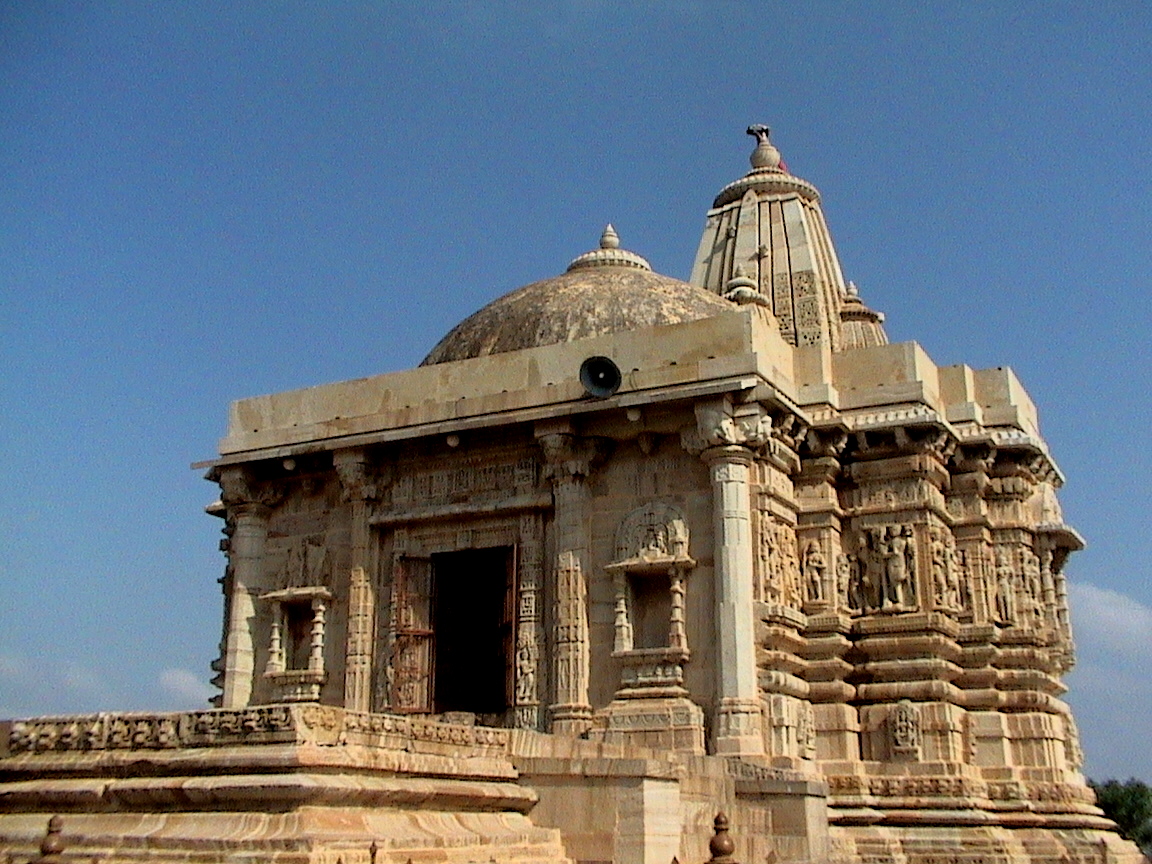
The Tower of Fame, a 12th-century Jain tower about 22 m high, dedicated to Adinath, the first Jain tirthankara. It is older and smaller than the Vijay Stambha and finely carved.
A palace beside a pool, linked with the legend of Rani Padmini, whose beauty is said to have drawn Alauddin Khalji to besiege Chittor. The story is retold across India and is central to the fort's identity.
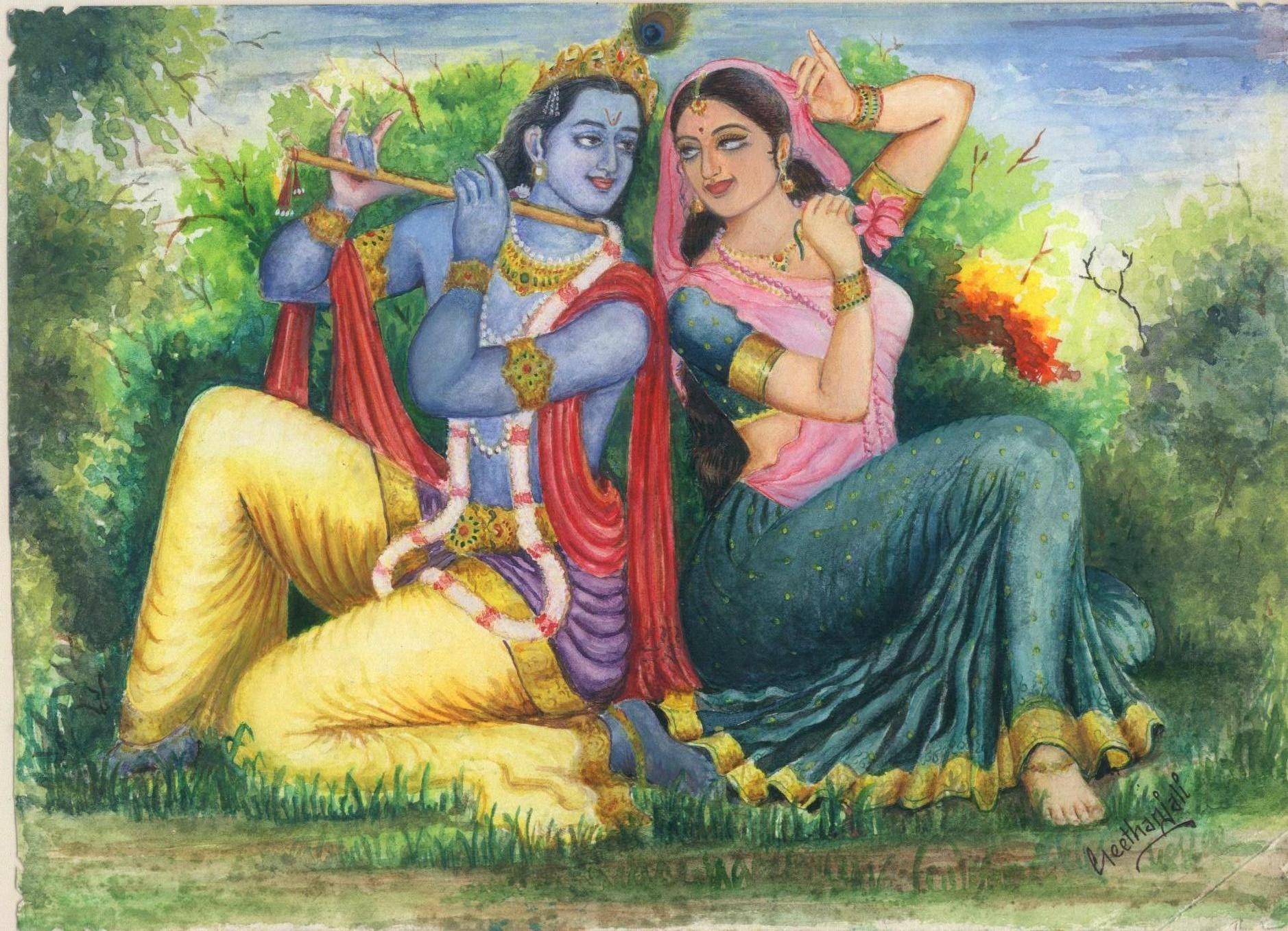
The ruined palace of Rana Kumbha, where Maharana Udai Singh II is said to have been born, and the temple linked with the poet-saint Meera Bai, whose devotion to Krishna is sung across India.
A deep tank fed by a spring that flows from a carved cow's mouth into the pool. It held the fort's water through sieges, and today it is a quiet spot with views off the cliff.
Experiences
Four hours to plan around




Getting there
How to reach Chittorgarh
Udaipur's Maharana Pratap Airport (UDR) is about 95 km away, around 1.75 hours by car. Most guests visit from Udaipur.
Chittorgarh Junction has trains to Udaipur, Jaipur, Delhi, Ajmer and Kota. Udaipur to Chittorgarh takes around 2 hours by train. The station is about 6 km from the fort.
Udaipur is about 115 km, 2 hours, on a good highway. Bundi is about 155 km, 3 hours. Deogarh is about 140 km, 2.5–3 hours, and Jaipur about 310 km, 5 hours.
Where to stay
Rooms we book
Chittorgarh has no luxury hotels, and most of our guests visit as a day trip from Udaipur, staying at the Taj Lake Palace or The Oberoi Udaivilas. For those who want to stay nearby, Castle Bijaipur, a heritage hotel in a 16th-century castle about 40 km from Chittorgarh, offers a quiet country setting; check current status before you travel. Simple modern hotels in the town suit guests who need an early start.
From our planners
Five things to know
- Start early from Udaipur to reach the fort by 9 am, before the heat
- Hire a guide who knows Mewar history; the stories make the ruins come alive
- Climb the Vijay Stambha only if you are comfortable with narrow, steep stairs
- Carry water and a hat; there is little shade on the plateau
- Check current status of the evening light and sound show if you plan to stay
Questions travellers ask
Questions about Chittorgarh
Is Chittorgarh Fort the largest fort in India
It is often described as one of the largest in India by area, covering around 280 hectares on its plateau. The walls, palaces, temples and towers make it the most important fort in Mewar's history and part of the Hill Forts of Rajasthan World Heritage listing.
How far is Chittorgarh from Udaipur
About 115 km, 2 hours by car on a good highway. Most travellers visit as a day trip from Udaipur. Trains also run between the two in about 2 hours, and Chittorgarh Junction is about 6 km from the fort. We usually drive, leaving Udaipur early to reach the fort by 9 am, then return for a late afternoon by the lake. Train timetables change, so check current status before you travel.
Should I stay overnight in Chittorgarh
Only if you are travelling between Udaipur and Bundi or Ranthambore. Chittorgarh has no luxury hotels, but a heritage castle stay nearby is possible. For most guests, a day trip from Udaipur works best, with nights at the Taj Lake Palace or The Oberoi Udaivilas. For those who stop, Castle Bijaipur, a heritage hotel in a 16th-century castle about 40 km away, offers a quiet country night; check current status before you travel.
What is the best time to visit Chittorgarh
October to March, when days are 25–30 °C. Arrive in the morning to avoid the midday sun. April to June is very hot and the plateau offers little shade. July to September brings the monsoon, which can suit a shorter visit between showers. We plan to reach the fort by 9 am, carry water and hats, and finish the main sites before lunch.
What is the story of Chittorgarh
Chittorgarh was the capital of Mewar and was besieged three times, by Alauddin Khalji in 1303, Bahadur Shah of Gujarat in 1535 and Akbar in 1567–68. Each siege, by tradition, ended in jauhar. After the last, the capital moved to Udaipur.
Is there a light and sound show at Chittorgarh
A light and sound show has been held in the evening at Rana Kumbha's palace, telling the history of the fort. It suits guests who stay the night nearby rather than those returning to Udaipur, 2 hours away by road. If you want to see it, we plan an overnight stop on the way to Bundi or Ranthambore. Timings and operation change, so check current status before you travel.
Do I need a guide at Chittorgarh Fort
Yes. The ruins are spread over a large area, and much of the fort's meaning comes from its history and legends. A good guide brings the sieges, the towers and the stories of Padmini and Meera to life. We work with guides who know Mewar history well and pace the morning around your interests, using the car for the longer stretches of the 5 km road around the plateau.
Can you combine Chittorgarh and Bundi
Yes. Bundi is about 155 km, 3 hours from Chittorgarh. A route from Udaipur via Chittorgarh to Bundi, then on to Ranthambore, makes a good southern loop. We leave Udaipur early, spend the morning on the fort, have lunch in town and reach Bundi by late afternoon. Travel from October to March, when the days are cooler for both forts.
What should I wear at Chittorgarh Fort
Comfortable shoes, a hat and light clothes that cover shoulders and knees for the temples. Carry water and sunscreen. There is little shade on the plateau, even in winter. Shoes come off at the temples, including the Meera temple, so footwear that slips on and off easily helps. From October to March, a light layer is useful for the early start from Udaipur.
Journeys
Routes that stop in Chittorgarh

Nearby
Pair it with
Lakes, palaces and the slowest days in Rajasthan

Stepwells, murals and a palace on the hillside
A hilltop palace, a mountain railway and rural Mewar
Shape your own journey Tell us your dates and what you hope to feel. We draw the route around you. Begin Not sure where to start? We match the land to your month, your pace and the people travelling with you. Begin Talk to a planner A first route and an indicative price within one working day. No payment to start. Begin