Dawn canoe in the Salim Ali Bird Sanctuary
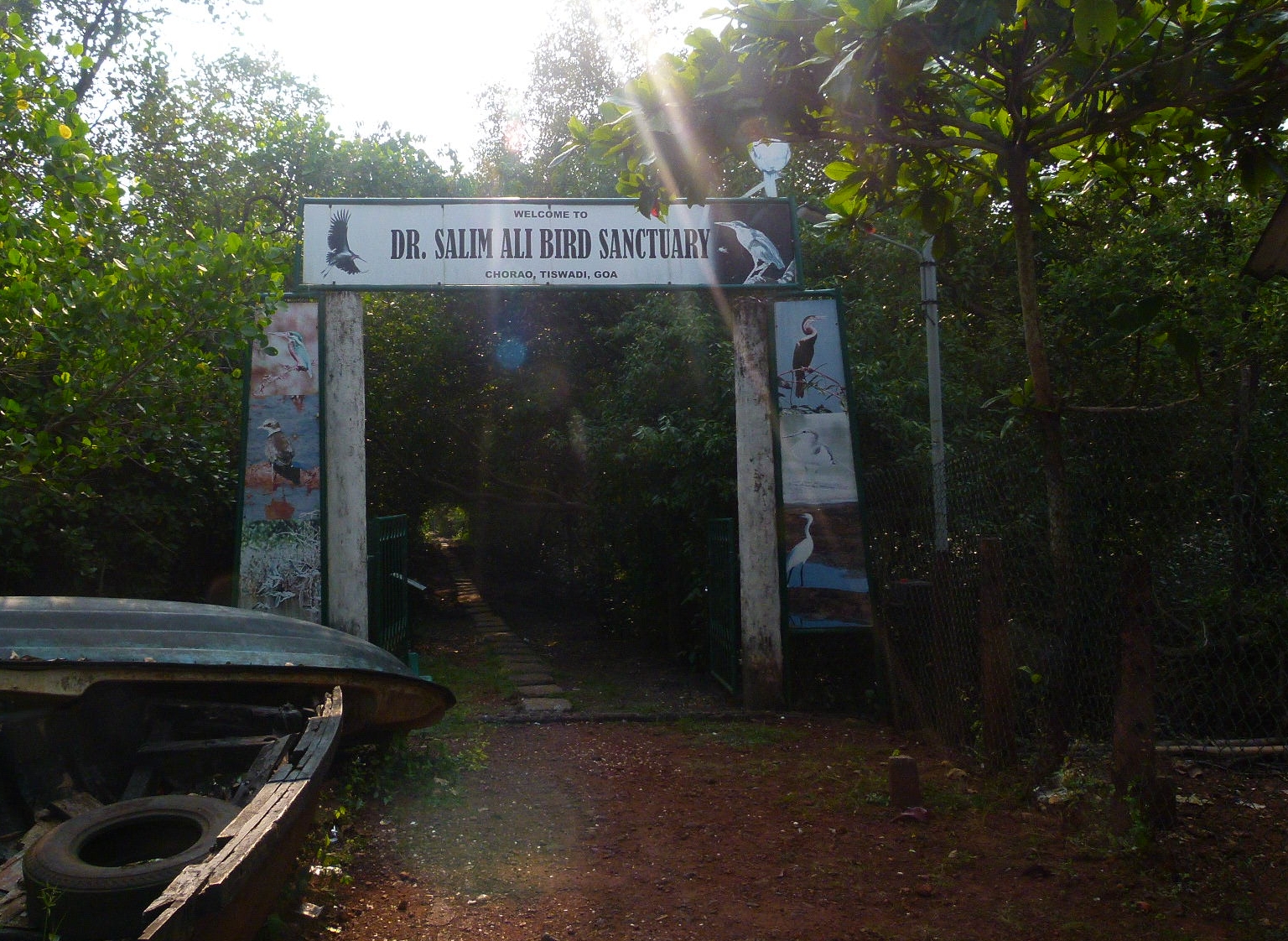
We leave your hotel in the dark and reach the Ribandar ferry as it begins its first runs. Five minutes later you are on Chorao, and the sanctuary entrance is a short drive along the shore. The reserve covers mangrove forest at the island's western end, cut by tidal channels that open and close with the river, and it is best explored from the water.
A forest department canoe, paddled by a boatman who knows the creeks, glides through the channels for about an hour. Your birding guide looks out for common, white-throated and stork-billed kingfishers, purple and grey herons, egrets, little cormorants, whimbrels and other waders, and brahminy kites and ospreys overhead. Mudskippers and fiddler crabs crowd the banks at low water, and mugger crocodiles are sometimes seen.
Afterwards, a short boardwalk through the mangroves leads to a watchtower with views over the creeks. We return across the river for a late breakfast in Panjim, or continue to Divar for the rest of the morning.
Questions travellers ask
Good to know
What is the best time to visit the Salim Ali Bird Sanctuary?
November to February, from about 7 to 9.30 am, when migratory birds are present and the light is soft. Canoe trips depend on the tide, so we confirm times the day before. Afternoon visits are possible but quieter for birds and hotter.
How do you get to the Salim Ali Bird Sanctuary?
Drive to the Ribandar ferry jetty, about 5 km from Panjim, and take the five-minute ferry to Chorao. The sanctuary entrance is a short drive from the Chorao landing. Ferries carry cars, so your driver can come across with you.
Is there an entry fee for the Salim Ali Bird Sanctuary?
The forest department charges a small entry fee, with extra charges for cameras and for canoe rides. Fees and canoe availability change, so check current status before you travel. We pay these on your behalf on the day.
Also in Divar and Chorao islands
More hours to plan around


