Salim Chishti's tomb and the thread of wishes
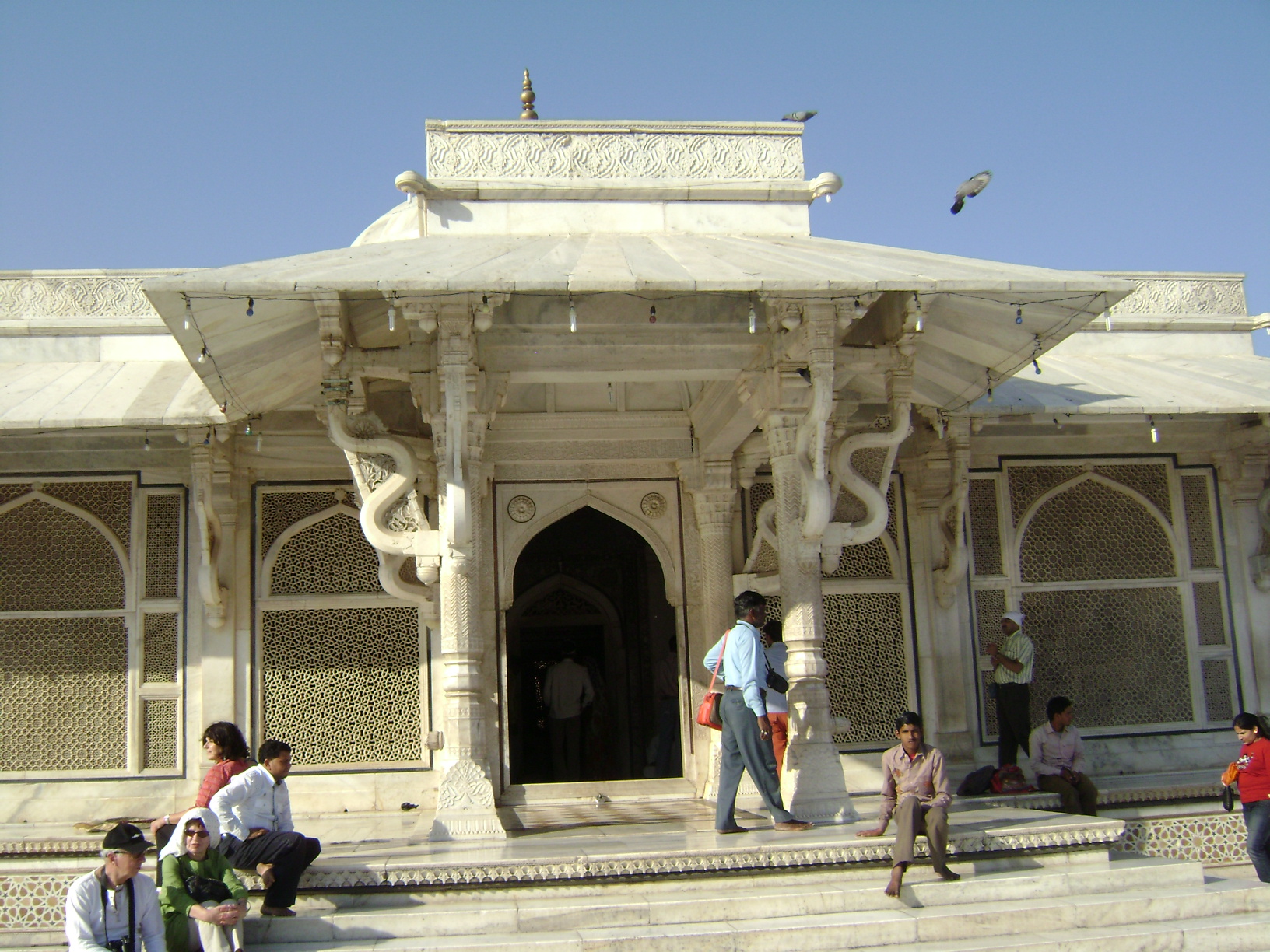
Shaikh Salim Chishti was a Sufi of the Chishti order who lived on this ridge. When Akbar's son was born in 1569 after the saint's blessing, the emperor named him Salim and built the city around the saint's home. The tomb, finished after the saint's death in 1572, was later faced in white marble, which stands out against the red sandstone of the mosque.
Its walls are carved marble screens, or jalis, in geometric patterns so fine they look like lace from a few metres away. Inside, under a canopy inlaid with mother of pearl, is the saint's grave. Visitors buy a red thread at the entrance, tie it to the screen and make a wish, returning to untie it if the wish is granted. Heads should be covered inside.
On Thursday evenings and at some festivals, qawwali singers perform in the courtyard. Your guide stays with you through the courtyard, explains the rituals and keeps the many sellers of threads, caps and chadars at a distance, so the visit stays quiet.
Questions travellers ask
Good to know
Can non-Muslims visit the tomb of Salim Chishti?
Yes. The tomb welcomes visitors of all faiths, and many Hindu, Sikh and Christian families come to tie threads and pray for children or good fortune. Remove your shoes at the courtyard gate, cover your head inside the tomb and dress modestly. Photography is allowed in the courtyard but should be discreet inside the tomb chamber.
What is the tradition of tying threads at Salim Chishti's tomb?
Visitors tie a thread to the marble screen while making a wish, most traditionally for a child, in memory of Akbar's son being born after the saint's blessing. People often come back to untie the thread when a wish comes true. Threads are sold at the entrance for a small sum, though prices vary.
Is there an entry fee for the mosque and tomb?
The mosque complex, including the Buland Darwaza and Salim Chishti's tomb, has no ticket. The royal palace complex next door is ticketed by the Archaeological Survey of India. Expect to be approached by unofficial guides and sellers at the mosque; a private guide makes the visit much calmer.
Also in Fatehpur Sikri
More hours to plan around

