Dudhwa National Park
Tigers, rhinos and swamp deer on the Nepal border
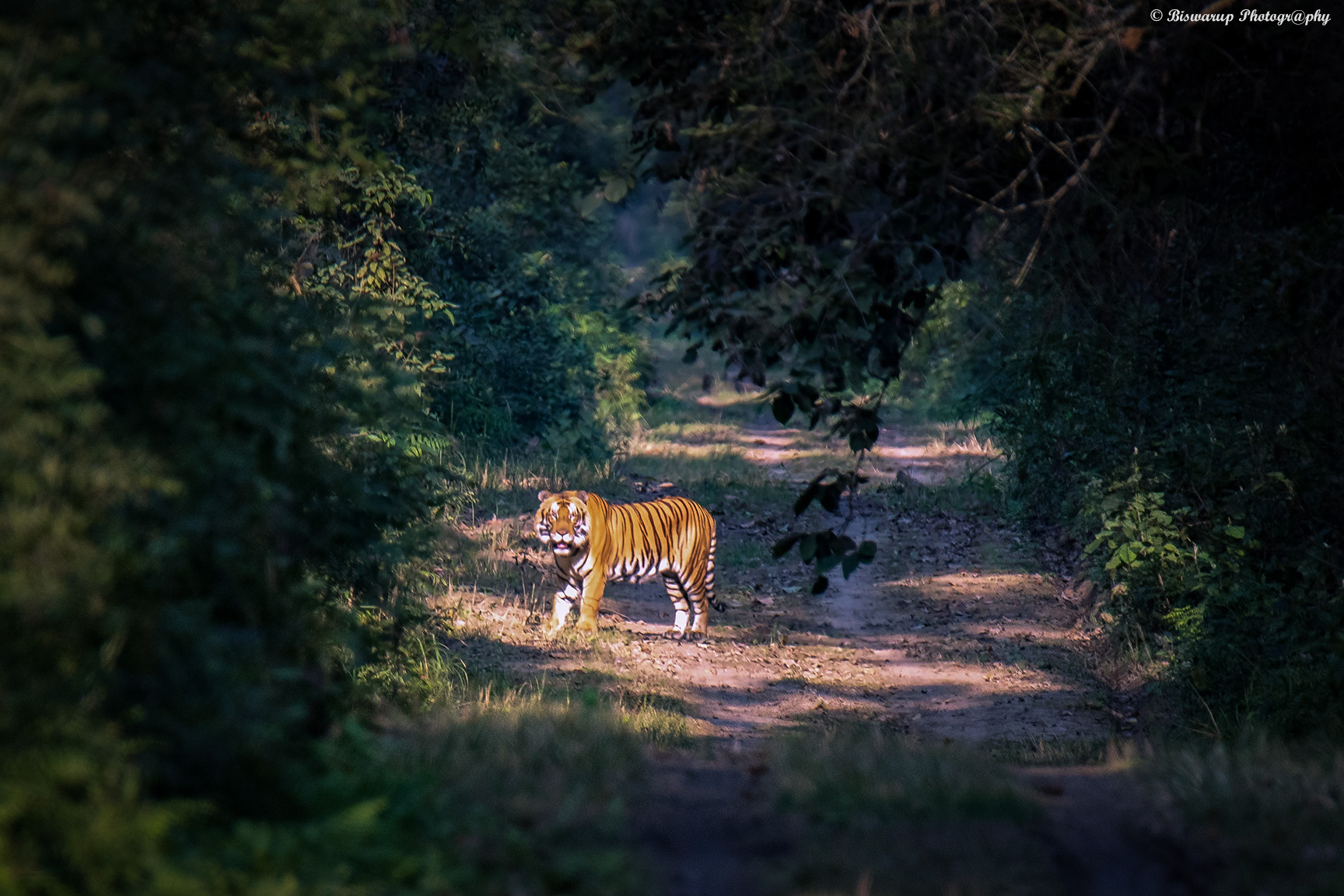
Dudhwa is the largest surviving piece of terai wilderness in Uttar Pradesh: a belt of tall sal forest, wet grassland, lakes and slow rivers along the foothills of the Himalaya, where India meets Nepal. With the nearby Kishanpur and Katarniaghat sanctuaries it forms the Dudhwa Tiger Reserve. It is far less visited than Ranthambhore or Bandhavgarh, and you may share a sighting with nobody else.
The park is known for its swamp deer, or barasingha, which gather in herds of hundreds on the grasslands in winter. In 1984 one-horned rhinos were brought here from Assam and Nepal, where the species had once lived, and they now breed in a protected rhino area. Tigers are present throughout but sightings are less certain than in central India, because the grass grows above a jeep's height. Leopards, sloth bears, hog deer and more than 400 bird species complete the picture.
Dudhwa is for travellers who value wildness over comfort. There are no luxury lodges near the park, and the best stays are forest department rest houses and simple lodges near Palia. We pair it with Taj Mahal Lucknow at either end, use experienced naturalists and plan three or four nights for a fair chance of tigers. The park is open from around mid-November to mid-June; check current status before you travel.
Highlights
What Dudhwa National Park does best
Tigers move between sal forest and tall grassland, and sightings come most often from March to May, when grass has been burned back and animals visit water. Expect to work for them, with patient drives and good naturalists.
Rhinos were reintroduced in 1984 from Assam and Nepal and now breed in a fenced rhino area inside the park. Access is controlled, and sightings depend on permitted routes; check current status before you travel.
Dudhwa and Kishanpur hold some of the largest herds of hard-ground swamp deer, or barasingha, in north India. In winter stags with branched antlers gather on open grassland around Jhadi Tal and Sathiana.
More than 400 species have been recorded, including Bengal florican, swamp francolin, great slaty woodpecker and several hornbills. November to March brings migrant waterfowl to the lakes.
The Tharu people have lived in the terai for centuries. A visit to a village near the park shows their houses, painted walls, fishing and the craft work sold through local cooperatives.
Experiences
Four hours to plan around


Getting there
How to reach Dudhwa National Park
Lucknow (LKO) is the practical airport, about 235 km and 5 hours by road. We usually spend a night in Lucknow on each side of the park.
Small stations at Palia and Dudhwa are served by slow trains. In practice, travellers drive from Lucknow, which is faster and more comfortable.
From Lucknow the road runs north via Sitapur and Lakhimpur Kheri to Palia and Dudhwa, about 235 km and 5 hours. Roads are good to Lakhimpur and slower after that.
Where to stay
Rooms we book
There is no luxury lodge at Dudhwa, and we tell guests this plainly. The best-placed rooms are the forest department's rest houses and Tharu-style huts at the Dudhwa tourist complex inside the park, booked through the state's forest and ecotourism system, and a few private lodges near Palia Kalan, 10 km from the gate. They are simple, clean and quiet. We bring a good naturalist, a well-maintained vehicle and add comfort at either end with nights at Taj Mahal Lucknow.
From our planners
Five things to know
- The park opens around 15 November and closes around 15 June for the monsoon; check current status before you travel.
- Book safari permits and forest rest houses as early as possible, as numbers are limited.
- Wear muted greens and browns, and bring a warm layer for open jeeps on winter mornings.
- Binoculars matter more than a big lens here, as animals are often seen at a distance across grassland.
- Mobile signal is weak in and around the park, so download maps and confirm plans before leaving Lucknow.
Questions travellers ask
Questions about Dudhwa National Park
Where is Dudhwa National Park?
Dudhwa is in Lakhimpur Kheri district of Uttar Pradesh, on the border with Nepal, about 235 km north of Lucknow. The nearest town is Palia Kalan, about 10 km from the park gate. It forms the Dudhwa Tiger Reserve together with the Kishanpur and Katarniaghat wildlife sanctuaries.
What is the best time to visit Dudhwa?
March to May offers the best tiger sightings, as grass is burned back and animals visit water, though May is very hot. November to February is cooler and best for swamp deer herds and migrant birds. The park opens around 15 November and closes around 15 June; check current status before you travel.
How many days should I spend at Dudhwa?
Three or four nights, with four to six safaris, gives a fair chance of seeing tigers and time for Kishanpur and the rhino areas. With fewer nights the long drive from Lucknow takes up too much of the visit. We add a night in Lucknow on each side to break the journey.
Are there luxury hotels at Dudhwa?
No. The best stays are forest department rest houses and huts inside the park, and a few simple private lodges near Palia Kalan. They are clean and quiet but basic. We balance the trip with nights at Taj Mahal Lucknow before and after.
Is Dudhwa worth visiting compared with Ranthambhore?
It depends on what you want. Ranthambhore offers more reliable tiger sightings and luxury lodges but more vehicles. Dudhwa is wilder and quieter, with swamp deer, rhinos and terai birds as well as tigers, but sightings are harder and stays simpler. Wildlife enthusiasts who have seen tigers elsewhere often love it.
How do I get to Dudhwa from Lucknow?
By private car, about 235 km and 5 hours, via Sitapur and Lakhimpur Kheri to Palia and Dudhwa. The road is good for most of the way, slower on the last stretch. Leaving Lucknow after breakfast, you arrive in time for lunch and an afternoon safari.
Is Dudhwa suitable for children?
Yes, for children who can sit quietly for three-hour drives, usually from about eight years old. The swamp deer, rhinos, elephants and birds hold their interest even without a tiger. Rest houses are basic, so families should be comfortable with simple rooms and food.
What birds can I see at Dudhwa?
More than 400 species have been recorded, including the endangered Bengal florican, swamp francolin, great slaty woodpecker, hornbills and many raptors. From November to March migrant ducks, geese and waders arrive on lakes such as Banke Tal and Jhadi Tal. Bring binoculars.
What should I pack for Dudhwa?
Clothes in muted greens and browns, a warm jacket, hat and gloves for winter mornings in open jeeps, light cotton and a sun hat for April and May, binoculars, insect repellent, a torch and any medicines you need. Mobile signal is weak, so carry offline maps.
Journeys
Routes that stop in Dudhwa National Park


Nearby
Pair it with
Nawabi architecture, Awadhi kebabs and chikankari
Shape your own journey Tell us your dates and what you hope to feel. We draw the route around you. Begin Not sure where to start? We match the land to your month, your pace and the people travelling with you. Begin Talk to a planner A first route and an indicative price within one working day. No payment to start. Begin